
PLEASE MORE DOCUMENTATIONS ON THE CASE OF F M A RAZZAK
http://www.humanrights.asia/campaigns/attack-on-fma-razzak
————————————————————-
Dear friends,
The Asian Human Rights Commission (AHRC) previously issued Urgent Appeals on several occasions regarding the physical attack on human rights defender Mr. F M A Razzak and demanded fair investigation and fair trial to the case. Now, the AHRC has been informed that another physical attack on two brothers of Mr. Razzak has taken place today, 13 April 2012, while an administrative inquiry has been in progress following an order of the High Court Division of the Supreme Court of Bangladesh. Blatant impunity to the military officers and extreme form of incapability of the rule of institutions of Bangladesh have lead to this latest attack.
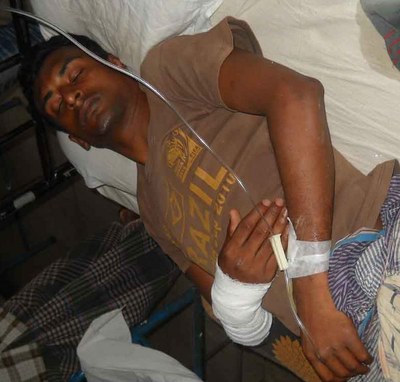 A three-member administrative inquiry team headed by the Additional Deputy Commissioner (Revenue) of Khulna Mr. Khan Md. Rezaul Karim conducted an investigation on 10 April 2012. The team visited the scenes of crimes that were committed a year ago and reportedly received substantial information regarding the complaint of the previous attack in April 2011 on Mr. F M A Razzak and one of his brother. Just after two days of the visit of the inquiry team this latest attack has been made the father and brother of Major Mustafizur Rahman Bokul of the Bangladesh Army. The two victims namely Mr. Bodiuzzaman Bodiar and Fakir Mohammad Abdul have been seriously injured with several fractures in hands and ribs. Please write to the authorities urging them to take immediate action to protect the victims and ensure justice.
UPDATED INFORMATION:
A Division Bench of the High Court Division of the Supreme Court of Bangladesh ordered the authorities to investigate the case of physical attack on Mr. F M A Razzak, which took place on 29 April 2011 (Please see our previous appeals, for further information: AHRC-UAU-025-2011; AHRC-UAU-023-2011. The High Court Bench, which passed this order on 5 December 2011, also ordered the police authorities to reinstate the family of Razzak to their own house at Godaipur village under the jurisdiction of the Paikgachha police station in Khulna. The police helped Razzak’s family to go back to their house on 9 December 2011.
On 10 April 2012, a three-member administrative inquiry team headed by the Additional Deputy Commissioner (Revenue) of Khulna Mr. Khan Md. Rezaul Karim conducted an investigation. Two other members of the team were the Upozilla Nirbahi Officer (UNO) of Paikgachha Kazi Atiur Rahman and the Social Service Officer of Paikgachha Mr. Debashish Roy. The team visited the scenes of crimes that were committed a year ago. They invited the witnesses and villagers to testify before the team and reportedly received substantial information regarding the complaint of Mr. F M A Razzak. The committee asked questions about inaction of the police regarding the incident and their connivance with the perpetrators.
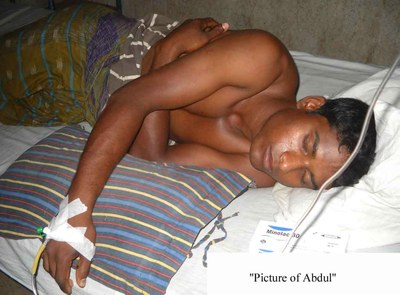 Today, 13 April, information has been received that two brothers of Mr. F M A Razzak have been physically attacked by the family of Army Major Mustofizur Rahman Bokul. The army officer’s the father Mr. Abdur Rauf Sarder and brother Mr. Mokhlesur Rahman Kazal a.k.a. Kazal Sarder accompanied by another man named Ismail committed this latest attack on two brothers of Razzak. The victims are Mr. Bodiuzzaman Bodiar, a brother of Razzak whose right hand had been fractured in a similar attack by the same group in April 2011, and Fakir Mohammad Abdul.
The incident has taken place at around 11:30am today at Godaipur village under the jurisdiction of Paikgachha police station in Khulna district, in presence of a team of police who have been guarding the house of Razzak following an order passed by a High Court Bench on 5 December 2011. At around 11:30am in the morning Abdur Rauf Sarder and his son Kazal Sarder deliberately went to Razzak’s family’s land and started cutting trees off. Razzak’s father Mr. Nur Ali Fakir, who witnessed and protested the unlawful action of Abdur Rauf Sarder and his son, was chased away by the attackers. Bodiar and Abdul who approached to protect their father got attacked by sharp and blunt weapons and kept confined for about two hours at the scene. Following public pressure after the Friday midday prayer the perpetrators allowed the police to send the two victims to the Paikgachha hospital.
Two Police Constables namely Mr. Emdad and Mr. Jamshed and an Ansar (Village Defence Party) personnel were present at the time the attack while two policemen also sustained injuries. Police constable Emdad went to the Paikgachha hospital for treatment, however, he left after having received “First Aid” from the hospital.
According to the latest information, Bodiar’s right hand’s forearm and left plum have been fractured with several cuts and bruises in his forehead, back and other parts of the body. He has received severe injuries in his head. Abdul’s ribs have been fractured and received injuries in his head and many parts of the body as well. Both of them have swollen marks all over their bodies. At the time of writing this appeal the injured victims were admitted at the Paikgachha hospital after having done radiological examinations regarding the fractures in their respective bodies.
According to the information, the Administrative Inquiry team invited the witnesses and villagers to testify before it when they visited Godaipur village where the families of Razzak are located. The committee reportedly received substantial information regarding attacks on Razzak and his family. The committee asked questions about inaction of the police regarding the incident and their connivance with the perpetrators.
Mr. F M A Razzak has immediately informed the head of the administrative probe committee over mobile phone. The ADC Revenue, who headed the administrative probe committee two days ago, suggested Razzak to contact the UNO of Paikgachha for further action.
Razzak and his brothers request the authorities to take immediate action regarding the matter so that adequate protection is ensured to the victims and their families. Justice must provided to them following credible investigations.
SUGGESTED ACTION:
Please write to the relevant authorities of Bangladesh urging them to ensure protection to the family of the victims of this latest physical attack. Credible investigation must be conducted by a judicial authority excluding any member from the police or other law enforcement agencies of the country. Adequate financial compensation and medical treatment should be afforded to the victims by the State, which has obligation for doing so under the international laws. The perpetrators must be prosecuted and justice should prevail.
The Asian Human Rights Commission has written separate letters to the UN Special Rapporteurs on Torture and Other Cruel, Inhuman or Degrading Treatment or Punishment and Special Rapporteure on Situation of Human Rights Defenders calling for their immediate intervention into this matter.
To support this appeal, please click here:
To support this case, please click here: SEND APPEAL LETTER
SAMPLE LETTER
Dear ___________,
BANGLADESH: Please investigate the case of physical attack on Razzak’s brothers by Army Major Mustafizur’s family and ensure protection and justice to the victims
Name of victims:
1. Mr. Bodiuzzaman Bodiar
2. Mr. Fakir Mohammad Abdul
Both are son of Mr. Nur Ali Fakir and brothers of human rights defender Mr. F M A Razzak
Names of alleged perpetrators:
1. Mr. Abdur Rauf Sarder, father of Mr. Mustafizur Rahman Bokul, a Major of Bangladesh Army
2. Mr. Mokhlesur Rahman Kazal a.k.a. Kazal Sarder, brother of Mr. Mustafizur Rahman Bokul, a Major of Bangladesh Army
3. Mr. Ismail
All are residents of Godaipur village under the jurisdiction of Paikgachha police station in Khulna
Date of incident: 13 April 2012
Place of incident: House of F M A Razzak at Godaipur village under the jurisdiction of Paikgachha police station in Khulna
I am writing to voice my deep concern regarding a further attack happened on 13 April 2012 on two members of the family of human rights defender Mr. F M A Razzak by the father and brother of a major of Bangladesh Army, who has been given blatant impunity by the State despite committing several cognizable crimes in the recent past.
I have learned from the Asian Human Rights Commission that a Division Bench of the High Court Division of the Supreme Court of Bangladesh ordered the authorities to investigate the case of physical attack on Mr. F M A Razzak, which took place on 29 April 2011. The High Court Bench, which passed this order on 5 December 2011, also ordered the police authorities to reinstate the family of Razzak to their own house at Godaipur village under the jurisdiction of the Paikgachha police station in Khulna. The police helped Razzak’s family to go back to their house on 9 December 2011.
On 10 April 2012, a three-member administrative inquiry team headed by the Additional Deputy Commissioner (Revenue) of Khulna Mr. Khan Md. Rezaul Karim conducted an investigation. Two other members of the team were the Upozilla Nirbahi Officer (UNO) of Paikgachha Kazi Atiur Rahman and the Social Service Officer of Paikgachha Mr. Debashish Roy. The team visited the scenes of crimes that were committed a year ago. They invited the witnesses and villagers to testify before the team and reportedly received substantial information regarding the complaint of Mr. F M A Razzak. The committee asked questions about inaction of the police regarding the incident and their connivance with the perpetrators.
Today, 13 April, information has been received that two brothers of Mr. F M A Razzak have been physically attacked by the family of Army Major Mustofizur Rahman Bokul. The army officer’s the father Mr. Abdur Rauf Sarder and brother Mr. Mokhlesur Rahman Kazal a.k.a. Kazal Sarder accompanied by another man named Ismail committed this latest attack on two brothers of Razzak. The victims are Mr. Bodiuzzaman Bodiar, a brother of Razzak whose right hand had been fractured in a similar attack by the same group in April 2011, and Fakir Mohammad Abdul.
The incident has taken place at around 11:30am today at Godaipur village under the jurisdiction of Paikgachha police station in Khulna district, in presence of a team of police who have been guarding the house of Razzak following an order passed by a High Court Bench on 5 December 2011. At around 11:30am in the morning Abdur Rauf Sarder and his son Kazal Sarder deliberately went to Razzak’s family’s land and started cutting trees off. Razzak’s father Mr. Nur Ali Fakir, who witnessed and protested the unlawful action of Abdur Rauf Sarder and his son, was chased away by the attackers. Bodiar and Abdul who approached to protect their father got attacked by sharp and blunt weapons and kept confined for about two hours at the scene. Following public pressure after the Friday midday prayer the perpetrators allowed the police to send the two victims to the Paikgachha hospital.
Two Police Constables namely Mr. Emdad and Mr. Jamshed and an Ansar (Village Defence Party) personnel were present at the time the attack while two policemen also sustained injuries. Police constable Emdad went to the Paikgachha hospital for treatment, however, he left after having received “First Aid” from the hospital.
According to the latest information, Bodiar’s right hand’s forearm and left plum have been fractured with several cuts and bruises in his forehead, back and other parts of the body. He has received severe injuries in his head. Abdul’s ribs have been fractured and received injuries in his head and many parts of the body as well. Both of them have swollen marks all over their bodies. At the time of writing this appeal the injured victims were admitted at the Paikgachha hospital after having done radiological examinations regarding the fractures in their respective bodies.
According to the information, the Administrative Inquiry team invited the witnesses and villagers to testify before it when they visited Godaipur village where the families of Razzak are located. The committee reportedly received substantial information regarding attacks on Razzak and his family. The committee asked questions about inaction of the police regarding the incident and their connivance with the perpetrators.
Mr. F M A Razzak has immediately informed the head of the administrative probe committee over mobile phone. The ADC Revenue, who headed the administrative probe committee two days ago, suggested Razzak to contact the UNO of Paikgachha for further action.
Razzak and his brothers request the authorities to take immediate action regarding the matter so that adequate protection is ensured to the victims and their families. Justice must provided to them following credible investigations.
A large number of documentations done the human rights groups regarding Bangladesh expose that the cultures of blatant impunity to the military officials and an extreme form of incapability of the basic rule of law institutions have paved the way to this latest attack on the two brothers of human rights defender Mr. F M A Razzak. Razzak has not received any justice although one year has passed since his eyes were gouged by the same military officer’s goons in April 2011.
I, therefore, urge you that the following actions must be taken immediately:
1. Ensure protection to the family of the victims of this latest physical attack;
2. Investigate by a judicial authority excluding any member from the police or other law enforcement agencies of the country in order to establish credibility of the investigation
3. Afford adequate financial compensation and medical treatment to the victims by the State, which has obligation for doing so under the international laws;
4. Stop endorsing impunity to army major Mustafizur Rahman Bokul and investigate all the crimes he committed by himself and masterminded in the past;
5. Prosecute the perpetrators and ensure justice to the victims.
Yours sincerely,
—————-
PLEASE SEND YOUR LETTERS TO:
1. Mrs. Sheikh Hasina
Prime Minister
Government of the People’s Republic of Bangladesh
Office of the Prime Minister
Tejgaon, Dhaka
BANGLADESH
Fax: +880 2 811 3244 / 3243 / 1015 / 1490
Tel: +880 2 882 816 079 / 988 8677
E-mail: pm@pmo.gov.bd or psecy@pmo.gov.bd
2. Mr. Md. Mozammel Haque
Chief Justice
Supreme Court of Bangladesh
Supreme Court Building
Ramna, Dhaka-1000
BANGLADESH
Fax: +880 2 956 5058 /+880 2 7161344
Tel: +880 2 956 2792
E-mail: chief@bdcom.com or supremec@bdcom.com
3. Barrister Shafique Ahmed
Minister
Ministry of Law, Justice & Parliamentary Affairs
Bangladesh Secretariat
Dhaka-1000
BANGLADESH
Tel: +880 2 7160627 (O)
Fax: +880 2 7168557 (O)
Email: info@minlaw.gov.bd
4. Ms. Sahara Khatun MP
Minister
Ministry of Home Affairs
Bangladesh Secretariat
Dhaka-1000
BANGLADESH
Tel: +880 2 7169069 (O)
Fax: +880 2 7160405, 880 2 7164788 (O)
E-mail: minister@mha.gov.bd
5. Mr. Mahbubey Alam
Attorney General of Bangladesh
Office of the Attorney General
Supreme Court Annex Building
Ramna, Dhaka-1000
BANGLADESH
Fax: +880 2 956 1568
Tel: +880 2 956 2868
6. Prof. Mizanur Rahman
Chairman
National Human Rights Commission
10th Floor, Gulfeshan Plaza
8, Journalist Selina Parvin Road
Mogbazar, Dhaka
BANGLADESH
Tel: +88 02 8331492
Fax: +88 02 8333219
E-mail: nhrc.bd@gmail.com
7. Mr. Md. Abdul Mubeen
General and Chief of Army Staff
Bangladesh Army
Army Headquarters
Dhaka Cantonment
Dhaka
BANGLADESH
Tel: +880 2 9870011
Fax: +880 2 8754455
8. Mr. Hassan Mahmud Khandker
Inspector General of Police (IGP)
Bangladesh Police
Police Headquarters’
Fulbaria, Dhaka-1000
BANGLADESH
Fax: +880 2 956 3362 / 956 3363
Tel: +880 2 956 2054 / +880 2 717 6677
E-mail: ig@police.gov.bd
9. Deputy Inspector General of Police (DIG)
Khulna Range
Office of the DIG of Khulna Range
Khulna
BANGLADESH
Tel: +880 41 761823
Fax: +880 41 761300
E-mail: digkhulna@police.gov.bd
Thank you.
Urgent Appeals Programme
Asian Human Rights Commission (ua@ahrc.asia)
