
Dear friends,
The Asian Human Rights Commission (AHRC) has received information that Mr. Mihindukulasuriya Anthony Vinisious Fernando is an elected Municipal Councilor of the Negombo Municipality and a businessman by profession. In July he witnessed lease holders in the area he is responsible for taking names of vendors and asked what they were doing. The lease holders then made a false report of him having asked for bribes to the police who sided with them and warned Fernando not to cause problems for him. Complaints to higher authorities in the police and the Human Rights Commission of Sri Lanka have gone unanswered and he now seeks justice. This case is yet another illustration of the exceptional collapse of the rule of law in the country.
CASE NARRATIVE:
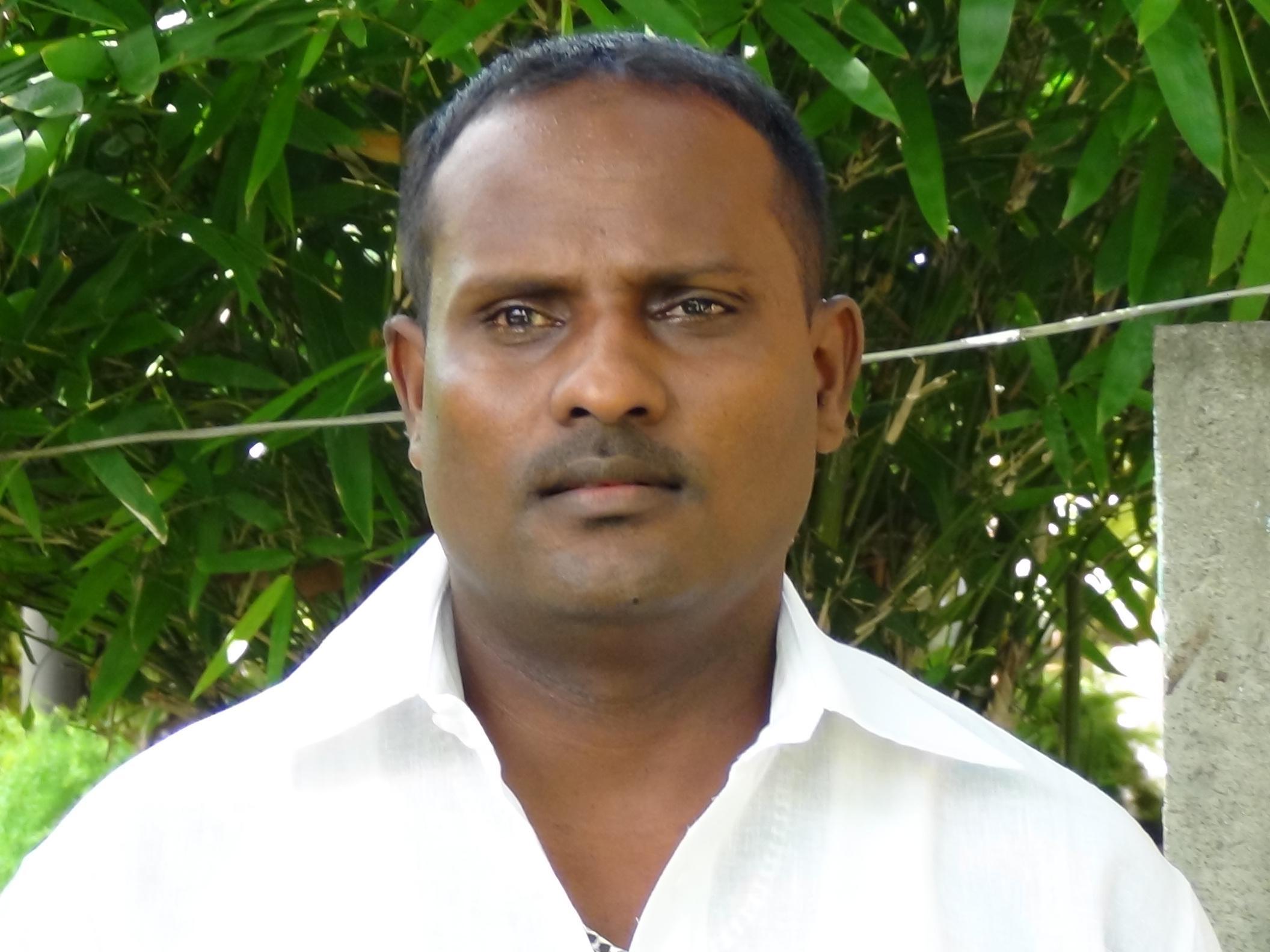 Mr. Mihindukulasuriya Anthony Vinisious Fernando (34) of No.6/8, Alles Road, Negombo is an elected Municipal Councilor of the Negombo Municipality and a businessman by profession. Every Sunday and Wednesday there is a fair at Kamachchoda which belongs to the Negombo Municipal Council and the stalls are leased out to and run by United Vegetables and Fruits Marketing Society. The Lessees of the Society are Marcus Fernando and his wife W Charndani, Nishantha and Mohamad Farhan. A complaint has been received that the lease holders are charging more from the vendors who come to the fair, than the rates fixed by the Municipality and they also do not issue receipts for the amount charged. Mr. Fernando had intervened to inquire about this complaint.
The lease holders were against this and complained to the Negombo Police Station that the above mentioned minister was taking bribes from the vendors. After that basic inquiries were held headed by the Officer-in-Charge of the Police station.
Later further inquiries were held on the 27 July by Deputy Inspector General of Police Anura Senanayake at the Office of the Senior Superintendent of Police. There the Deputy Inspector had instructed the minister not to interfere with the affairs of the fair in the future. The minister responded that as he is the minister of the area and that his house is also situated in the same area he has a right to intervene in this matter.
The Inspector then threatened the minister in front of all the officers that he could shoot him, smashing his head and had warned “not act as an underworld gangster and you know what we have done to thugs.” He also shouted at the officers saying “Why didn’t you slap him and put him inside the cell”.
Fernando stated that on the 1 July 2012, he saw W Chandani, the wife of Marcus Fernando taking signatures from vendors. When he queried about this, without uttering a word she telephoned Marcus and got him to come to that particular place. When questioned Marcus he said that the signatures are being taken to allocate new stalls to the vendors and if he wanted to know more to ask the Mayor of Negombo.
Fernando explained that he did not need to ask the Mayor about this since the allocation of new stalls to vendors is the responsibility of the Council and not the lease holders. He then informed the police about this and three police officers arrived at the scene.
Later they all met Headquarters Inspector of Negombo Police Station (HQI). He explained that Marcus’s wife had been taking a count of the vendors and Fernando explained that the responsibility of the Council not the lease holders.
Then again on the 2 July, at about 1.30 in the afternoon, Negombo Police Station criminal section Inspector Priyadarshana, telephoned Fernando and told him that the Senior Superintendent of Police (SSP) wanted to see him. That day at 4.30 in the afternoon he duly visited the SSP’s Office. Fernando was asked why he was taking bribes from the vendors that come to Kamachchoda fair. He went on to explain that there was a complaint against him to this regard.
Fernando told the SSP that he had never taken bribes from the vendors and asked who his accuser was. He was then asked about the incident at the fair on the 1 July and explained everything to the SSP. He then left the officer and saw the Lease holders Marcus, his wife W. Cahndani, Nishantha and Mohamad Farhan seated there.
When the SSP saw them he called all of them into the office again. Then Marcus and his wife told the SSP that in 2010, Fernando had demanded Rs.2000/= from them and had been refused. Then again in 2011, after he became a member of the Council he demanded Rs.5000/ and that too had been refused. Then after a long discussion and arguments SSP told us to go to the Negombo Police Station and lodge complaints. The Lease holders made an entry.
On the 25 of July 2012 at about 9.00 am Inspector of Police (IP) Priyantha attached to Paliyagoda Police Station telephoned me and said that Deputy Inspector General of Police (DIG) Western Province (North) would go to the SSP the following day and for him to go the SSP’s Office. Accordingly on the 26 July, at 9.00 O’clock in the morning he attended the SSP’s Office. There he saw Marcus, his wife W.Chandani, Nishantha and Farhan. In addition to those, the Mayor of Negombo, Commissioner, Secretary, Accountant, Legal Officer all of Negombo Town Council, Senior Superintendent of Police, Asst. Superintendent of Police, Head Quarters Inspector of Negombo Police Station, and some more Police Officers were there for the investigation.
Upul Chandrasiri Dissanayake, who has made a complaint against the Lease holders was also present. Deputy Inspector General of Police Anura Senanayake asked the Mayor to explain the conditions and details as to how the fair is given on lease. Then he queried from Marcus and his wife about the complaint they made at the Negombo Police Station. Then the DIG shouted and ordered Fernando to get up from the seat and said “Why are you demanding bribes? You cannot play that game with me. Do not try those underworld tactics.” Then he looked at the officers around him and said that this kind of people should be shot and told the police officers why didn’t you slap him and put him in the cell.
When Fernando got up from the seat to answer the allegations Senior Deputy Inspector General Anura Senanayake threatened me to sit and shouted that “I am the one who is talking here not anyone else. You do not have a right to speak here. Hereafter do not utter a word.”
Fernando told him that he is the minister for that particular area, where the fair is and that his house is also situated in the same area. Then the DIG said that you can keep your ministerial post to yourself and in future on Sundays and Wednesdays do not stay in the house, you can go somewhere else. You do not have any right to go the fair. He warned Fernando not to make any problems to the lease holders.
On the 30 July Fernando complained to the Inspector General of Police (IGP), Deputy Inspector General of Police (DIG), Headquarters Inspector of Police Negombo and Sri Lanka Human Rights Commission (HRCSL).But none of these authorities have initiated any inquiry into the rights violations of the victims. The justice he seeks has been denied.
ADDITIONAL COMMENTS:
The Asian Human Rights Commission has reported innumerable cases of torturing innocent by the Sri Lankan police which are illegal under international and local law which have taken place at different Police Station in the country over the past few years.
The State of Sri Lanka sign and ratified the CAT on 3 January 1994. Following state obligations Sri Lanka adopted Act number 22 of 1994 the law adopted by the Sri Lankan parliament making torture a crime that can be punishable for minimum seven years and not less than ten years on being proven guilty. The Attorney General of Sri Lanka is suppose to file indictments in the case where credible evidence were found on torturing people by state officers.
SUGGESTED ACTION:
Please send a letter to the authorities listed below expressing your concern about this case and requesting an immediate investigation into the allegations of threatening the life of Municipal Councilor by the DIG of police department, and the prosecution of those proven to be responsible under the criminal law of the country for misusing powers of a state. The officers involved must also be subjected to internal investigations for the breach of the department orders as issued by the police department. Further, please also request the NPC and the IGP to have a special investigation into the malpractices of the police officers for abusing the state officers’ powers.
Please note that the AHRC has also written a separate letter to the Special Rapporteur on extrajudicial, summary or arbitrary executions on this regard.
To support this appeal please click here:
To support this case, please click here: SEND APPEAL LETTER
SAMPLE LETTER
Dear ________,
SRI LANKA: DIG of Police threatenes to kill Municipal Councilor in Negombo
Name of the victim: Mr. Mihindukulasuriya Anthony Vinisious Fernando (34) of No.6/8, Alles Road, Negombo is a elected Municipal Councerl of the Negombo Municipality
Alleged perpetrator: DIG of Police of Western Province (North) Anura Senanayaka
Date of incident: 25 July 2012
Place of incident: Senior Superintendent of Police (SSP) Office Negombo
I am writing to express my serious concern over the case of Mr. Mihindukulasuriya Anthony Vinisious Fernando (34) of No.6/8, Alles Road, Negombo is an elected Municipal Councilor of the Negombo Municipality and a businessman by profession. Every Sunday and Wednesday there is a fair at Kamachchoda which belongs to the Negombo Municipal Council and the stalls are leased out to and run by United Vegetables and Fruits Marketing Society. The Lessees of the Society are Marcus Fernando and his wife W Charndani, Nishantha and Mohamad Farhan. A complaint has been received that the lease holders are charging more from the vendors who come to the fair, than the rates fixed by the Municipality and they also do not issue receipts for the amount charged. Mr. Fernando had intervened to inquire about this complaint.
The lease holders were against this and complained to the Negombo Police Station that the above mentioned minister was taking bribes from the vendors. After that basic inquiries were held headed by the Officer-in-Charge of the Police station.
Later further inquiries were held on the 27 July by Deputy Inspector General of Police Anura Senanayake at the Office of the Senior Superintendent of Police. There the Deputy Inspector had instructed the minister not to interfere with the affairs of the fair in the future. The minister responded that as he is the minister of the area and that his house is also situated in the same area he has a right to intervene in this matter.
The Inspector then threatened the minister in front of all the officers that he could shoot him, smashing his head and had warned "not act as an underworld gangster and you know what we have done to thugs." He also shouted at the officers saying "Why didn't you slap him and put him inside the cell".
Fernando stated that on the 1 July 2012, he saw W Chandani, the wife of Marcus Fernando taking signatures from vendors. When he queried about this, without uttering a word she telephoned Marcus and got him to come to that particular place. When questioned Marcus he said that the signatures are being taken to allocate new stalls to the vendors and if he wanted to know more to ask the Mayor of Negombo.
Fernando explained that he did not need to ask the Mayor about this since the allocation of new stalls to vendors is the responsibility of the Council and not the lease holders. He then informed the police about this and three police officers arrived at the scene.
Later they all met Headquarters Inspector of Negombo Police Station (HQI). He explained that Marcus's wife had been taking a count of the vendors and Fernando explained that this the responsibility of the Council not the lease holders.
Then again on the 2 July, at about 1.30 in the afternoon, Negombo Police Station criminal section Inspector Priyadarshana, telephoned Fernando and told him that the Senior Superintendent of Police (SSP) wanted to see him. That day at 4.30 in the afternoon he duly visited the SSP's Office. Fernando was asked why he was taking bribes from the vendors that come to Kamachchoda fair. He went on to explain that there was a complaint against him to this regard.
Fernando told the SSP that he had never taken bribes from the vendors and asked who his accuser was. He was then asked about the incident at the fair on the 1 July and explained everything to the SSP. He then left the officer and saw the Lease holders Marcus, his wife W. Cahndani, Nishantha and Mohamad Farhan seated there.
When the SSP saw them he called all of them into the office again. Then Marcus and his wife told the SSP that in 2010, Fernando had demanded Rs.2000.00 from them and had been refused. Then again in 2011, after he became a member of the Council he demanded Rs.5000/ and that too had been refused. Then after a long discussion and arguments SSP told us to go to the Negombo Police Station and lodge complaints. The Lease holders made an entry.
On the 25 of July 2012 at about 9.00 am Inspector of Police (IP) Priyantha attached to Paliyagoda Police Station telephoned me and said that Deputy Inspector General of Police (DIG) Western Province (North) would go to the SSP the following day and for him to go the SSP's Office. Accordingly on the 26 July, at 9.00 O'clock in the morning he attended the SSP's Office. There he saw Marcus, his wife W.Chandani, Nishantha and Farhan. In addition to those, the Mayor of Negombo, Commissioner, Secretary, Accountant, Legal Officer all of Negombo Town Council, Senior Superintendent of Police, Asst. Superintendent of Police, Head Quarters Inspector of Negombo Police Station, and some more Police Officers were there for the investigation.
Upul Chandrasiri Dissanayake, who has made a complaint against the Lease holders was also present. Deputy Inspector General of Police Anura Senanayake asked the Mayor to explain the conditions and details as to how the fair is given on lease. Then he queried from Marcus and his wife about the complaint they made at the Negombo Police Station. Then the DIG shouted and ordered Fernando to get up from the seat and said "Why are you demanding bribes? You cannot play that game with me. Do not try those underworld tactics." Then he looked at the officers around him and said that this kind of people should be shot and told the police officers why didn't you slap him and put him in the cell.
When Fernando got up from the seat to answer the allegations Senior Deputy Inspector General Anura Senanayake threatened me to sit and shouted that "I am the one who is talking here not anyone else. You do not have a right to speak here. Hereafter do not utter a word."
Fernando told him that he is the minister for that particular area, where the fair is and that his house is also situated in the same area. Then the DIG said that you can keep your ministerial post to yourself and in future on Sundays and Wednesdays do not stay in the house, you can go somewhere else. You do not have any right to go the fair. He warned Fernando not to make any problems to the lease holders.
On the 30 July Fernando complained to the Inspector General of Police (IGP), Deputy Inspector General of Police (DIG), Headquarters Inspector of Police Negombo and Sri Lanka Human Rights Commission (HRCSL).But none of these authorities have initiated any inquiry into the rights violations of the victims. The justice he seeks has been denied.
I request your urgent intervention to ensure that the authorities listed below instigate an immediate investigation into the allegations of illegal arrest, illegal detention, torture by the police perpetrators, and the prosecution of those proven to be responsible under the criminal law of the country for misusing powers of state officers and for wrongful prosecution. The officers involved must also be subjected to internal investigations for the breach of the department orders as issued by the police department.
Yours sincerely,
---------------------
PLEASE SEND YOUR LETTERS TO:
1. Mr. N K Illangakoon
Inspector General of Police
New Secretariat
Colombo 1
SRI LANKA
Fax: +94 11 2 440440 / 327877
E-mail: igp@police.lk
2. Ms. Eva Wanasundara
Attorney General
Attorney General's Department
Colombo 12
SRI LANKA
Fax: +94 11 2 436421
E-mail: ag@attorneygeneral.gov.lk
3. Secretary
National Police Commission
3rd Floor, Rotunda Towers
109 Galle Road
Colombo 03
SRI LANKA
Tel: +94 11 2 395310
Fax: +94 11 2 395867
E-mail: npcgen@sltnet.lk or polcom@sltnet.lk
4. Secretary
Sri Lanka Human Rights Commission
No. 108
Barnes Place
Colombo 07
SRI LANKA
Tel: +9411 2694925, +9411 2685980, +9411 2685981
Fax: +9411 2694924 (General) +94112696470 (Chairman)
E-mail: sechrc@sltnet.lk
Thank you.
Urgent Appeals Programme
Asian Human Rights Commission (ua@ahrc.asia)
