
Dear friends,
The Asian Human Rights Commission (AHRC) has received information that Mr. Thusitha Ratnayake (37) of 4th Yaya, Rajanganaya in the Anuradhapura District was illegally arrested, detained and tortured for a crime that he did not commit. On 28 May, two police officers from the Thambutthegma Police Station, arrested Thusitha Ratnayake. Mr Ratnayake was accused of stealing a necklace from the house of a friend one week earlier. Although the friend maintained Mr. Ratnayake’s innocence, and despite Mr. Ratnayake’s repeated denial of this charge, he was brutally assaulted by police officers. He was released on 29 May on police bail. He was admitted to hospital and treated for his extensive injuries, but remains unable to work or carry out basic, daily tasks. Despite the fact that complaints have been filed to high-ranking police officials and the National Human Rights Commission of Sri Lanka, an investigation has yet to be initiated. This case is yet another illustration of the exceptional collapse of the rule of law in the country.
CASE NARRATIVE:
According to information that the Asian Human Rights Commission (AHRC) has received, Mr. Thusitha Ratnayake (37) of 4th Yaya, Rajanganaya in the Anuradhapura District, was illegally arrested, detained and tortured for a crime that he did not commit.
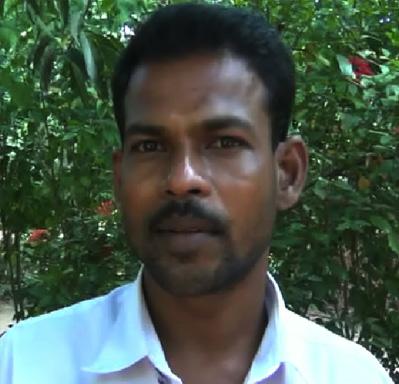 Mr. Ratnayake is married and works as a mason. On 21 May 2012, at about 2am while Mr. Ratnayake was sleeping at home, his friends Priyantha, Wasantha and Baby, visited his residence and woke him up to tell him that the house of their mutual friend, Chandrasiri, had been burgled, and Chandrasiri’s wife’s necklace had been stolen.
The four friends went to Chandrasiri’s house, where several neighbours were waiting outside for the police to arrive. At 2:30am, police officers from the Thambuththegama Police Station arrived. Shortly after this, Mr. Ratnayake’s brother, Rasika, telephoned Mr. Ratnayake to inform him that police officers had visited his home looking for him; they suspected that he was the culprit of the robbery. Rasika urged his brother to talk to Chandrasiri and visit the police station, fearing that would be assaulted if he did not speak to the police.
The police telephoned Mr. Ratnayake several times and told him to hand over the necklace he had stolen. Mr. Ratnayake spoke with Chandrasiri on the phone, who told him to go to the police station and make a statement without fear of assault; Chandrasiri knew he was innocent. But Mr. Ratnayake was afraid; he had been told that the police had questioned several individuals regarding the robbery and during questioning, some of those people had been assaulted. Mr. Ratnayake maintained his innocence to the police officers; he said that he would visit the police station on the condition that he would not be assaulted. Since the police officers did not agree to this condition, Mr. Ratnayake did not go to the police station.
On 28 May at around 1:30pm, Sergeant Ranbanda and Officer Gunawardena arrested Mr. Ratnayake at 4th Yaya School Junction. They took him to the police station on their motorcycle. Sergeant Ranbanda and Officer Gunawardena took Mr. Ratnayake to the yard behind the police station, removed his shirt and blindfolded him. They tied both his hands and legs together, and inserted a wooden pole between his legs. They continued to brutally assault Mr. Ratnayake for over one and a half hours. During the course of his assault, Sergeant Ranbanda spoke with someone on the telephone and told the person he was speaking to that Mr. Ratnayake had been arrested. He then called Officer Wilegoda and repeated the same information to him.
Sergeant Ranbanda and Officer Gunawardena made Mr. Ratnayake stand on a chair attached a rope from the ceiling rafter to his body. They kicked the chair from beneath him so that Mr. Ratnayake was hanging from the ceiling. From this position, they assaulted him, beating his spinal cord, legs and heels. The signs of injuries are evident in the following pictures: photo-1; photo-2; photo-3; and photo-4.
At about 4:30pm, they untied Mr. Ratnayake and took him into another room where they handcuffed him to a bed. At about 7:30pm, they took Mr. Ratnayake inside the police station and told him that they had received information that he is a good person, and was therefore going to be released on bail. At about 9:30pm, the police allowed Mr. Ratnayake to wear his clothes and eat a meal. Although Mr. Ratnayake asked for water on several occasions, his requests were refused.
On 29th May, Mr. Ratnayake’s brother, sister and wife came to the police station to visit Mr. Ratnayake. The police officers instructed Mr. Ratnayake not to tell his family that he had been assaulted. They threatened him, saying that if he did tell the truth of the assault, they would not permit him to leave.
Later that day, at about 12:30pm, Mr. Ratnayake was released. His friend took him to Thambuththegama Government Hospital. He was examined by a doctor and kept in the hospital for treatment from 29 May to 31 May.
Mr. Ratnayake is still experiencing pain. He is unable to work and cope with basic, daily tasks.
Mr. Ratnayake has filed a complaint with the Human Rights Commission of Sri Lanka, the Inspector General of Police (IGP), Deputy Inspector General (DIG) North Central Province, and Headquarters Inspector of Police of Thabuthegama Police Station. None of these authorities have inititated a credible, impartial investigation into the abuse he suffered at the hands of state agents, and the blatant violation of his basic rights. Mr. Ratnayake seeks justice.
ADDITIONAL COMMENTS:
The Asian Human Rights Commission has reported innumerable cases of the torture of innocent people by the Sri Lankan police. These acts, which have taken place at different police stations across the country, are illegal under local and international law.
The State of Sri Lanka signed and ratified the CAT on 3 January 1994. Following state obligations, the Parliament of Sri Lanka adopted Act No. 22 of 1994, which made torture a crime that is punishable for a minimum seven years and not less than ten years on being proven guilty. The Attorney General of Sri Lanka is supposed to file indictments in cases where credible evidence is found of people being tortured by state officers.
SUGGESTED ACTION:
Please send a letter to the authorities listed below expressing your concern about this case and requesting an immediate investigation into the allegations of torturing an old person and stealing the money by the police perpetrators, and the prosecution of those proven to be responsible under the criminal law of the country for misusing powers of a state. The officers involved must also be subjected to internal investigations for the breach of the department orders as issued by the police department. Further, please also request the NPC and the IGP to have a special investigation into the malpractices of the police officers for abusing the state officers’ powers.
Please note that the AHRC has also written a separate letter to the Special Rapporteur on torture and other cruel, inhuman or degrading treatment or punishment on this regard.
To support this appeal please click here:
To support this case, please click here: SEND APPEAL LETTER
SAMPLE LETTER
Dear ________,
SRI LANKA: An innocent mason is brutally assaulted by the Thambuththegama Police; the police receive impunity for their actions
Name of the victim: Mr. Thusitha Ratnayake (37) of 4th Yaya, Rajanganaya in the Anuradhapura District
Alleged perpetrators:
1. Officer-in-Charge
2. Sergeant Ranbanda
3. Gunawardena
All are attached to Thambutthegama Police Station
Date of incident: 28 May 2012
Place of incident: Thambuththegama Police Division in the Anuradhapura District
I am writing to express my serious concern over the case of Mr. Mr. Thusitha Ratnayake (37) of 4th Yaya, Rajanganaya in the Anuradhapura District, who was illegally arrested, detained and tortured for a crime that he did not commit.
Mr. Ratnayake is married and works as a mason. On 21 May 2012, at about 2am while Mr. Ratnayake was sleeping at home, his friends Priyantha, Wasantha and Baby, visited his residence and woke him up to tell him that the house of their mutual friend, Chandrasiri, had been burgled, and Chandrasiri’s wife’s necklace had been stolen.
The four friends went to Chandrasiri’s house, where several neighbours were waiting outside for the police to arrive. At 2:30am, police officers from the Thambuththegama Police Station arrived. Shortly after this, Mr. Ratnayake’s brother, Rasika, telephoned Mr. Ratnayake to inform him that police officers had visited his home looking for him; they suspected that he was the culprit of the robbery. Rasika urged his brother to talk to Chandrasiri and visit the police station, fearing that would be assaulted if he did not speak to the police.
The police telephoned Mr. Ratnayake several times and told him to hand over the necklace he had stolen. Mr. Ratnayake spoke with Chandrasiri on the phone, who told him to go to the police station and make a statement without fear of assault; Chandrasiri knew he was innocent. But Mr. Ratnayake was afraid; he had been told that the police had questioned several individuals regarding the robbery and during questioning, some of those people had been assaulted. Mr. Ratnayake maintained his innocence to the police officers; he said that he would visit the police station on the condition that he would not be assaulted. Since the police officers did not agree to this condition, Mr. Ratnayake did not go to the police station.
On 28 May at around 1:30pm, Sergeant Ranbanda and Officer Gunawardena arrested Mr. Ratnayake at 4th Yaya School Junction. They took him to the police station on their motorcycle. Sergeant Ranbanda and Officer Gunawardena took Mr. Ratnayake to the yard behind the police station, removed his shirt and blindfolded him. They tied both his hands and legs together, and inserted a wooden pole between his legs. They continued to brutally assault Mr. Ratnayake for over one and a half hours. During the course of his assault, Sergeant Ranbanda spoke with someone on the telephone and told the person he was speaking to that Mr. Ratnayake had been arrested. He then called Officer Wilegoda and repeated the same information to him.
Sergeant Ranbanda and Officer Gunawardena made Mr. Ratnayake stand on a chair attached a rope from the ceiling rafter to his body. They kicked the chair from beneath him so that Mr. Ratnayake was hanging from the ceiling. From this position, they assaulted him, beating his spinal cord, legs and heels.
At about 4:30pm, they untied Mr. Ratnayake and took him into another room where they handcuffed him to a bed. At about 7:30pm, they took Mr. Ratnayake inside the police station and told him that they had received information that he is a good person, and was therefore going to be released on bail. At about 9:30pm, the police allowed Mr. Ratnayake to wear his clothes and eat a meal. Although Mr. Ratnayake asked for water on several occasions, his requests were refused.
On 29th May, Mr. Ratnayake’s brother, sister and wife came to the police station to visit Mr. Ratnayake. The police officers instructed Mr. Ratnayake not to tell his family that he had been assaulted. They threatened him, saying that if he did tell the truth of the assault, they would not permit him to leave.
Later that day, at about 12:30pm, Mr. Ratnayake was released. His friend took him to Thambuththegama Government Hospital. He was examined by a doctor and kept in the hospital for treatment from 29 May to 31 May.
Mr. Ratnayake is still experiencing pain. He is unable to work and cope with basic, daily tasks.
Mr. Ratnayake has filed a complaint with the Human Rights Commission of Sri Lanka, the Inspector General of Police (IGP), Deputy Inspector General (DIG) North Central Province, and Headquarters Inspector of Police of Thabuthegama Police Station. None of these authorities have inititated a credible, impartial investigation into the abuse he suffered at the hands of state agents, and the blatant violation of his basic rights. Mr. Ratnayake seeks justice.
I further request your urgent intervention to ensure that the authorities listed below instigate an immediate investigation into torturing a old person and stealing the money by the police perpetrators, and the prosecution of those proven to be responsible under the criminal law of the country. The officers involved must also be subjected to internal investigations for the breach of the department orders as issued by the police department.
Yours sincerely,
---------------------
PLEASE SEND YOUR LETTERS TO:
1. Mr. N K Illangakoon
Inspector General of Police
New Secretariat
Colombo 1
SRI LANKA
Fax: +94 11 2 440440 / 327877
E-mail: igp@police.lk
2. Ms. Eva Wanasundara
Attorney General
Attorney General's Department
Colombo 12
SRI LANKA
Fax: +94 11 2 436421
E-mail: ag@attorneygeneral.gov.lk
3. Secretary
National Police Commission
3rd Floor, Rotunda Towers
109 Galle Road
Colombo 03
SRI LANKA
Tel: +94 11 2 395310
Fax: +94 11 2 395867
E-mail: npcgen@sltnet.lk or polcom@sltnet.lk
4. Secretary
Sri Lanka Human Rights Commission
No. 108
Barnes Place
Colombo 07
SRI LANKA
Tel: +9411 2694925, +9411 2685980, +9411 2685981
Fax: +9411 2694924 (General) +94112696470 (Chairman)
E-mail: sechrc@sltnet.lk
Thank you.
Urgent Appeals Programme
Asian Human Rights Commission (ua@ahrc.asia)
