
Dear friends,
Mr. Aadawalage Gayan Indika (26) of No 6th Canal, Kagama in Kakirawa in the district of Anuradhapura is married and father of one son. Gayan was travelling with his brother on his motorbike when they were stopped by plain clothed persons who demanded their identities. When Gayan in turn demanded the identities of the group he was told that they were officers of the Kakiwara Police station. Gayan was accused of making illicit liquor and when he refused the accusation he was severely beaten by the officers who he believes were working hand in hand with the person actually producing the liquor. This is yet another example of the breakdown of the Sri Lankan policing system.
CASE NARRATIVE:
According to the information the Asian Human Rights Commission received Mr. Aadawalage Gayan Indika (26) of No 6th Canal, Kagama in Kakirawa in the district of Anuradhapura is married and the father of one son. He is a barber by profession.
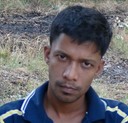 On 7 August 2011 Gayan was on his way to drop his brother at Walpaluwa Garage in the same village on his motor bike at the 6th Canal Junction. Some people in civilian clothes signaled him to stop his motor bike. He did so and one of the group asked for his identity and that of his brother. Gayan simply questioned the identity of three people and one person answered that he was Inspector of Police (IP) Jagoda of Kakirawa Police Station. Then IP Jagoda told the brothers that they had received information that Gayan is engaged in the production of illicit liquor. Gayan was shocked at this and told the officers that he had never engaged in such activity at any time in his life. Ignoring this IP Jagoda asked the location of the place where they produced the liquor. Again Gayan refused the accusation. At that point they forced him to lie down on the ground and started beating him with sticks and branches. While all three officers joined in the assault IP Jagoda was the most violent. Following this one officer, later identified as Nimal, asked Gayan to come to the side of the road which he did. Gayan was asked to pay a bribe so that they could go on their way but he repeated that he had never engaged in such an activity and was not willing to accept such accusations.
Then officer Nimal told Gayan to get onto the motor bike of the other office named Bandara. He went on to say that he knew the place where the illicit liquor was hidden. Then they started to proceed ahead. While they travelling one officer questioned Gayan as to whether he knew a villager called Mahatun who is continuously engaged in producing and selling illicit liquor. Gayan replied that he did. When they arrived at the destination Gayan noticed that the police officers moved forward and met with Mahatun and talked to him in private. He further noticed that the officers searched some bushes and discovered some equipment. Gayan was not party to the discussion between the officers and Mahatun but noticed that the equipment was left at the same place when they set off to the police station at Kakirawa. Then Gayan saw that his wife and his brother-in-law came in search of him and met with the police officers. They talked to the officers and vehemently opposed Gayan’s arrest and the accusation that he was producing and selling illicit liquor. They strongly told the officers that Gayan was innocent and had never engaged in committing any crime. Then the police officers announced that they could not release Gayan at that moment as he had been severely beaten. They openly told Gayan’s wife and brother-in-law that they were going to file a fabricated charge against him.
Later he was brought to the Kakirawa Police Station. Within a short time an officer came with a glass bottle filled with pale coloured liquid, some paper and some other stationary equipment. The officer forced Gayan to put his signature on the paper which he did out of fear of further torture. After having the signature and later the finger prints also to the paper the officer arrogantly announced to Gayan, “Though you told that there was no illicit liquor in your possession, see now there is evidence of liquor in your name”.
Later he was released on police bail when his wife and brother-in-law came to the police station. Later he was brought to the house but as he was in severe pain they took him to the Galnewa Government Hospital for treatment at around 10 pm on the same day. The doctors advised them to admit Gayan for treatment. While he was treated at that hospital he started vomiting so he was transferred to the Anuradhapura Teaching Hospital for further treatment on 10 August. He was treated in that hospital for a further five days and discharged on 15 August. While he was treated at hospital the Judicial Medical Officer (JMO) examined him and recorded the marks of injuries inflicted by the police torture.
Gayan is now suffering severe pain and shows signs of post traumatic stress. He is seeking justice against the violation of his fundamental rights violations and asking for the prosecution of the officers who tortured him. He also believes that the officers arrested and beat him in order to protect the actual producer of the illicit liquor.
The victim narrated the way he was tortured in the video here.
ADDITIONAL COMMENTS:
The Asian Human Rights Commission has reported innumerable cases of torturing innocent by the Sri Lankan police which are illegal under international and local law which have taken place at different Police Station in the country over the past few years.
The State of Sri Lanka sign and ratified the CAT on 3 January 1994. Following state obligations Sri Lanka adopted Act number 22 of 1994 the law adopted by the Sri Lankan parliament making torture a crime that can be punishable for minimum seven years and not less than ten years on being proven guilty. The Attorney General of Sri Lanka is suppose to file indictments in the case where credible evidence were found on torturing people by state officers.
SUGGESTED ACTION:
Please send a letter to the authorities listed below expressing your concern about this case and requesting an immediate investigation into the allegations of illegal arrest, illegal detention, torturing by the police perpetrators, and the prosecution of those proven to be responsible under the criminal law of the country for misusing powers of a state. The officers involved must also be subjected to internal investigations for the breach of the department orders as issued by the police department. Further, please also request the NPC and the IGP to have a special investigation into the malpractices of the police officers for abusing the state officers’ powers.
Please note that the AHRC has also written a separate letter to the Special Rapporteur on torture and other cruel, inhuman or degrading treatment or punishment on this regard.
To support this case, please click here: SEND APPEAL LETTER
SAMPLE LETTER
Dear ________,
SRI LANKA: A Young man was illegally arrested and tortured by the Kakirawa Police
Name of the victim: Mr. Aadawalage Gayan Indika (26) of No 6th Canal, Kagama in Kakirawa in the district of Anuradhapura
Alleged perpetrators:
1. Mr. Jagoda, Inspector of Police
2. Police Officer Bandara
3. Police Officer Nimal and other police officers attached to the Police Station of Kakirawa
Date of incident: 7 August 2011
Place of incident: Kakirawa Police Station
I am writing to express my serious concern over the case of Mr. Aadawalage Gayan Indika (26) of No 6th Canal, Kagama in Kakirawa in the district of Anuradhapura. Gayan is married and the father of one son. He is a barber by profession.
On 7 August 2011 Gayan was on his way to drop his brother at Walpaluwa Garage in the same village on his motor bike at the 6th Canal Junction. Some people in civilian clothes signaled him to stop his motor bike. He did so and one of the group asked for his identity and that of his brother. Gayan simply questioned the identity of three people and one person answered that he was Inspector of Police (IP) Jagoda of Kakirawa Police Station. Then IP Jagoda told the brothers that they had received information that Gayan is engaged in the production of illicit liquor. Gayan was shocked at this and told the officers that he had never engaged in such activity at any time in his life. Ignoring this IP Jagoda asked the location of the place where they produced the liquor. Again Gayan refused the accusation. At that point they forced him to lie down on the ground and started beating him with sticks and branches. While all three officers joined in the assault IP Jagoda was the most violent. Following this one officer, later identified as Nimal, asked Gayan to come to the side of the road which he did. Gayan was asked to pay a bribe so that they could go on their way but he repeated that he had never engaged in such an activity and was not willing to accept such accusations.
Then officer Nimal told Gayan to get onto the motor bike of the other office named Bandara. He went on to say that he knew the place where the illicit liquor was hidden. Then they started to proceed ahead. While they travelling one officer questioned Gayan as to whether he knew a villager called Mahatun who is continuously engaged in producing and selling illicit liquor. Gayan replied that he did. When they arrived at the destination Gayan noticed that the police officers moved forward and met with Mahatun and talked to him in private. He further noticed that the officers searched some bushes and discovered some equipment. Gayan was not party to the discussion between the officers and Mahatun but noticed that the equipment was left at the same place when they set off to the police station at Kakirawa. Then Gayan saw that his wife and his brother-in-law came in search of him and met with the police officers. They talked to the officers and vehemently opposed Gayan’s arrest and the accusation that he was producing and selling illicit liquor. They strongly told the officers that Gayan was innocent and had never engaged in committing any crime. Then the police officers announced that they could not release Gayan at that moment as he had been severely beaten. They openly told Gayan’s wife and brother-in-law that they were going to file a fabricated charge against him.
Later he was brought to the Kakirawa Police Station. Within a short time an officer came with a glass bottle filled with pale coloured liquid, some paper and some other stationary equipment. The officer forced Gayan to put his signature on the paper which he did out of fear of further torture. After having the signature and later the finger prints also to the paper the officer arrogantly announced to Gayan, “Though you told that there was no illicit liquor in your possession, see now there is evidence of liquor in your name”.
Later he was released on police bail when his wife and brother-in-law came to the police station. Later he was brought to the house but as he was in severe pain they took him to the Galnewa Government Hospital for treatment at around 10 pm on the same day. The doctors advised them to admit Gayan for treatment. While he was treated at that hospital he started vomiting so he was transferred to the Anuradhapura Teaching Hospital for further treatment on 10 August. He was treated in that hospital for a further five days and discharged on 15 August. While he was treated at hospital the Judicial Medical Officer (JMO) examined him and recorded the marks of injuries inflicted by the police torture.
Gayan is now suffering severe pain and shows signs of post traumatic stress. He is seeking justice against the violation of his fundamental rights violations and asking for the prosecution of the officers who tortured him. He also believes that the officers arrested and beat him in order to protect the actual producer of the illicit liquor.
I request your urgent intervention to ensure that the authorities listed below instigate an immediate investigation into the allegations of illegal arrest, illegal detention, torture by the police perpetrators, and the prosecution of those proven to be responsible under the criminal law of the country for misusing powers of state officers and for wrongful prosecution. The officers involved must also be subjected to internal investigations for the breach of the department orders as issued by the police department.
Yours sincerely,
———————
PLEASE SEND YOUR LETTERS TO:
1. Mr. N K Illangakoon
Inspector General of Police
New Secretariat
Colombo 1
SRI LANKA
Fax: +94 11 2 440440 / 327877
E-mail: igp@police.lk
2. Mr. Mohan Peiris
Attorney General
Attorney General’s Department
Colombo 12
SRI LANKA
Fax: +94 11 2 436421
E-mail: ag@attorneygeneral.gov.lk
3. Secretary
National Police Commission
3rd Floor, Rotunda Towers
109 Galle Road
Colombo 03
SRI LANKA
Tel: +94 11 2 395310
Fax: +94 11 2 395867
E-mail: npcgen@sltnet.lk or polcom@sltnet.lk
4. Secretary
Sri Lanka Human Rights Commission
No. 108
Barnes Place
Colombo 07
SRI LANKA
Tel: +9411 2694925, +9411 2685980, +9411 2685981
Fax: +9411 2694924 (General) +94112696470 (Chairman)
E-mail: sechrc@sltnet.lk
Thank you.
Urgent Appeals Programme
Asian Human Rights Commission (ua@ahrc.asia)
