
Dear friends,
The Asian Human Rights Commission (AHRC) has received information that Mr. Meheran, a married man with two children, was arbitrarily arrested, detained and tortured for a crime that he did not commit. Several police officers attached to the Criminal Branch of Thambutthegama Police Station came into Mr. Meheran’s residence at 4am, woke him up and brought him to a neighbours’ house, and then to the police station. He was brutally assaulted and threatened. The officers told him that if he spoke out about the assault, they would not release him on bail. Mr. Meheran was eventually released, but is unable to work due to his severe injuries, and thus is unable to provide for his family. This case is yet another illustration of the exceptional collapse of the rule of law in the country.
CASE NARRATIVE:
According to information that the Asian Human Rights Commission (AHRC) has received, Mr. WA Pramal Meheran (29) of No:141/2 ,4th Yaya, Rajanganaya was arbitrarily arrested, detained and tortured for a crime that he did not commit. Mr. Meheran is married, and is the father of two children.
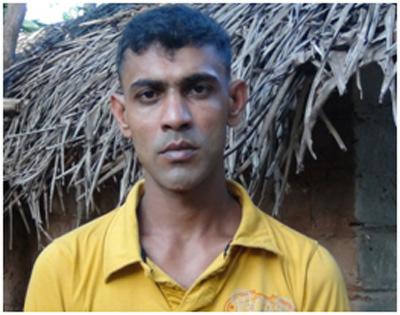 On 28 May 2012, at about 4am while Mr. Meheran was asleep, Officer Willegoda and Officer Dissanayake of the Thambuththegama Police Station came into Mr. Meheran’s residence, woke him up and ordered him to come with them in their police jeep to the house of Chandrasiri, a neighbour who had recently been burgled. When they arrived at the house, Officer Willegoda put a pistol into Mr. Meheran’s mouth and demanded that he tell him where he had hidden the stolen necklace. Mr. Meheran told him that he did not know anything about the stolen necklace. Officer Willegoda pointed to Mrs. Chandrasiri and said “that woman says you stole her necklace.”
Inspector Laxman of the Thambuththegama Police Station made Mr. Meheran bend over and slapped him on his back and demanded to know who had the necklace. He asked “is it with you or Thusitha?”
When Mr. Meheran insisted that he was innocent, Officer Willegoda said “this will not do. We should give him some more work and see what he says.”
After the police officers searched Mr. Chandrasiri’s house, at about 11:30am, they brought Mr. Meheran to the Thambuththegama Police Station and locked him in a jail cell. After ten minutes in the cell, Mr. Meheren was taken out of the cell and handcuffed. Officer Willegoda and Officer Dissanayake brought Mr. Meheran to a back room. They shouted “tell us the truth, or we will not let you go home or see your children.” Despite Mr. Meheran’s insistence of his innocence, the police officers tied his hands and legs and together and inserted a wooden pole between his legs. They hung Mr. Meheran from a ceiling beam and beat him severely on his heels, thighs and backside with a cricket bat, shouting “where is the necklace?” After this, the officers placed a book on Mr. Meheran’s head and beat the book. Shortly after this started, Mr. Meheran fainted. When he came to, he was on the floor with his hands and legs tied. He asked for some water, and the officers poured a few drops of water into his mouth and then hung him from the ceiling again and continued to beat him with a rubber hose.
Mr. Meheran was eventually untied and returned to the jail cell. Despite numerous visitation requests from his family, he was not permitted to meet with his wife, children or other relatives. The next morning, at around 9am, the officers recorded a statement from Mr. Meheran. At about 11:30am, he was taken to Thambuththegama Government Hospital in the police jeep. During the journey, the officers told Mr. Meheran that if he spoke to anyone about the torture he suffered, the police would prevent him from being released on bail. They said they would accuse him of possessing drugs or a bomb. As such, Mr. Meheran did not reveal what had happened to the doctor who examined him.
Mr. Meheran was produced before Nochchiyagama Magistrate’s Courts on the accusation of stealing a necklace. The police refused to grant bail, and Mr. Meheran was in remand prison until 1 June. On 1 June, Mr. Meheran was produced before the Magistrate and granted bail. Later that day, he was admitted to the Thambuththegama Government Hospital, for treatment of his injuries. After a medical examination, Mr. Meheran was transferred to Anuradhapura Teaching Hospital. He was admitted to ward 11, then to ward 14, and was discharged on 4 June.
Although Mr. Meheran has returned home, he is unable to do any work, as he continues to suffer from his injuries. His legs and arms are numb and he suffers from severe migraines. Since Mr. Meheran is unable to work, his entire family is suffering, particularly his child who requires medical treatment for a kidney problem.
Mr. Pramal has filed a complaint with the Human Rights Commission of Sri Lanka, the Inspector General of Police (IGP), Deputy Inspector General (DIG) North Central Province, and Headquarters Inspector of Police of Thabuththegama Police Station. None of these authorities have initiated a credible, impartial investigation into the abuse he suffered at the hands of state agents, and the blatant violation of his basic rights. Mr. Pramal seeks justice and the protection of his rights enshrined in the Constitution of Sri Lanka.
ADDITIONAL COMMENTS:
The Asian Human Rights Commission has reported innumerable cases of the torture of innocent people by the Sri Lankan police. These acts, which have taken place at different police stations across the country, are illegal under local and international law.
The State of Sri Lanka signed and ratified the CAT on 3 January 1994. Following state obligations, the Parliament of Sri Lanka adopted Act No. 22 of 1994, which made torture a crime that is punishable for a minimum seven years and not less than ten years on being proven guilty. The Attorney General of Sri Lanka is supposed to file indictments in cases where credible evidence is found of people being tortured by state officers.
SUGGESTED ACTION:
Please send a letter to the authorities listed below expressing your concern about this case and requesting an immediate investigation into the allegations of torturing an old person and stealing the money by the police perpetrators, and the prosecution of those proven to be responsible under the criminal law of the country for misusing powers of a state. The officers involved must also be subjected to internal investigations for the breach of the department orders as issued by the police department. Further, please also request the NPC and the IGP to have a special investigation into the malpractices of the police officers for abusing the state officers’ powers.
Please note that the AHRC has also written a separate letter to the Special Rapporteur on torture and other cruel, inhuman or degrading treatment or punishment on this regard.
To support this appeal please click here:
To support this case, please click here: SEND APPEAL LETTER
SAMPLE LETTER
Dear ________,
SRI LANKA: A man is arbitrarily arrested, detained and brutally tortured by the Thambuththegama Police, and threatened with further torture if he speaks out
Name of the victim: Mr. W A Pramal Meheran (29) of No:141/2 ,4th Yaya, Rajanganaya in the Anuradhapura District
Alleged perpetrators:
1. Officer-in-Charge
2. Inspector Laxman
3. Police officer Wilegoda and
4. Police officer Dissanayake
All attached to Thambuththegama Police Station
Date of incident: 28 May 2012
Place of incident: Thambuththegama Police Division in the Anuradhapura District
I am writing to express my serious concern over the case of Mr. WA Pramal Meheran (29) of No: 141/2, 4th Yaya, Rajanganaya who was arbitrarily arrested, detained and tortured for a crime that he did not commit. Mr. Meheran is married, and is the father of two children.
On 28 May 2012, at about 4am while Mr. Meheran was asleep, Officer Willegoda and Officer Dissanayake of the Thambuththegama Police Station came into Mr. Meheran's residence, woke him up and ordered him to come with them in their police jeep to the house of Chandrasiri, a neighbour who had recently been burgled. When they arrived at the house, Officer Willegoda put a pistol into Mr. Meheran's mouth and demanded that he tell him where he had hidden the stolen necklace. Mr. Meheran told him that he did not know anything about the stolen necklace. Officer Willegoda pointed to Mrs. Chandrasiri and said "that woman says you stole her necklace."
Inspector Laxman of the Thambuththegama Police Station made Mr. Meheran bend over and slapped him on his back and demanded to know who had the necklace. He asked "is it with you or Thusitha?"
When Mr. Meheran insisted that he was innocent, Officer Willegoda said "this will not do. We should give him some more work and see what he says."
After the police officers searched Mr. Chandrasiri's house, at about 11:30am, they brought Mr. Meheran to the Thambuththegama Police Station and locked him in a jail cell. After ten minutes in the cell, Mr. Meheren was taken out of the cell and handcuffed. Officer Willegoda and Officer Dissanayake brought Mr. Meheran to a back room. They shouted "tell us the truth, or we will not let you go home or see your children." Despite Mr. Meheran's insistence of his innocence, the police officers tied his hands and legs and together and inserted a wooden pole between his legs. They hung Mr. Meheran from a ceiling beam and beat him severely on his heels, thighs and backside with a cricket bat, shouting "where is the necklace?" After this, the officers placed a book on Mr. Meheran's head and beat the book. Shortly after this started, Mr. Meheran fainted. When he came to, he was on the floor with his hands and legs tied. He asked for some water, and the officers poured a few drops of water into his mouth and then hung him from the ceiling again and continued to beat him with a rubber hose.
Mr. Meheran was eventually untied and returned to the jail cell. Despite numerous visitation requests from his family, he was not permitted to meet with his wife, children or other relatives. The next morning, at around 9am, the officers recorded a statement from Mr. Meheran. At about 11:30am, he was taken to Thambuththegama Government Hospital in the police jeep. During the journey, the officers told Mr. Meheran that if he spoke to anyone about the torture he suffered, the police would prevent him from being released on bail. They said they would accuse him of possessing drugs or a bomb. As such, Mr. Meheran did not reveal what had happened to the doctor who examined him.
Mr. Meheran was produced before Nochchiyagama Magistrate's Courts on the accusation of stealing a necklace. The police refused to grant bail, and Mr. Meheran was in remand prison until 1 June. On 1 June, Mr. Meheran was produced before the Magistrate and granted bail. Later that day, he was admitted to the Thambuththegama Government Hospital, for treatment of his injuries. After a medical examination, Mr. Meheran was transferred to Anuradhapura Teaching Hospital. He was admitted to ward 11, then to ward 14, and was discharged on 4 June.
Although Mr. Meheran has returned home, he is unable to do any work, as he continues to suffer from his injuries. His legs and arms are numb and he suffers from severe migraines. Since Mr. Meheran is unable to work, his entire family is suffering, particularly his child who requires medical treatment for a kidney problem.
Mr. Pramal has filed a complaint with the Human Rights Commission of Sri Lanka, the Inspector General of Police (IGP), Deputy Inspector General (DIG) North Central Province, and Headquarters Inspector of Police of Thabuththegama Police Station. None of these authorities have initiated a credible, impartial investigation into the abuse he suffered at the hands of state agents, and the blatant violation of his basic rights. Mr. Pramal seeks justice and the protection of his rights enshrined in the Constitution of Sri Lanka.
I further request your urgent intervention to ensure that the authorities listed below instigate an immediate investigation into torturing by the police perpetrators, and the prosecution of those proven to be responsible under the criminal law of the country. The officers involved must also be subjected to internal investigations for the breach of the department orders as issued by the police department.
Yours sincerely,
---------------------
PLEASE SEND YOUR LETTERS TO:
1. Mr. N K Illangakoon
Inspector General of Police
New Secretariat
Colombo 1
SRI LANKA
Fax: +94 11 2 440440 / 327877
E-mail: igp@police.lk
2. Ms. Eva Wanasundara
Attorney General
Attorney General's Department
Colombo 12
SRI LANKA
Fax: +94 11 2 436421
E-mail: ag@attorneygeneral.gov.lk
3. Secretary
National Police Commission
3rd Floor, Rotunda Towers
109 Galle Road
Colombo 03
SRI LANKA
Tel: +94 11 2 395310
Fax: +94 11 2 395867
E-mail: npcgen@sltnet.lk or polcom@sltnet.lk
4. Secretary
Sri Lanka Human Rights Commission
No. 108
Barnes Place
Colombo 07
SRI LANKA
Tel: +9411 2694925, +9411 2685980, +9411 2685981
Fax: +9411 2694924 (General) +94112696470 (Chairman)
E-mail: sechrc@sltnet.lk
Thank you.
Urgent Appeals Programme
Asian Human Rights Commission (ua@ahrc.asia)
