
Dear friends,
Mr. Narahenpita Gamage Sisil Weerasinghe (48), a retired soldier was illegally arrested, detained and severely tortured by officers attached to the Wattala Police Station. Sisil had been waiting for a bus to take him home at around 10 pm when the officers accused him of planning to rob a house in the area. When he denied that they started beating him. They then took him to the Wattala Police Station where they continued to torture him. The ill-treatment resulted in his hospitalisation for a broken hand. He was falsely charged with indecent behaviour and fined Rs. 1,500/=.
Sisil at no time obstructed or threatened the officers but instead voluntarily gave them all the information they requested. Their illegal action was no doubt the result of their desire to boost their standing with the OIC of the station. This case is yet another illustration of the exceptional collapse of the rule of law in the country.
CASE NARRATIVE:
According to the information received by the Asian Human Rights Commission Mr. Narahenpita Gamage Sisil Weerasinghe (48) is married, the father of two daughters and a retired soldier. Sisil, who resides at No: 212/1, Woodland Estate, Colombo Road, Chilaw is disabled as the result of injuries to the right leg and hand in a battle during July 1992. Following his partial recovery Sisil was removed from operational duties and given light duties. He retired from the service in 2007 and later worked as a private security guard attached to the Peoples Bank.
On 30 December 2011, he was working at the People’s Bank branch at the Headquarters of Island Revenue Department at Fort, Colombo. On this particular day after completing his work he was on his way home by bus. Then as he felt a stomachache he informed the conductor and asked him to stop the bus. He alighted from the bus and went to a nearby for toilet after which he waited for another bus to continue to his home.
While he was waiting a red colour three-wheeler came and stopped in front of him. Then the persons who were in police uniforms asked him what he was waiting at the roadside for at that time (by this time it was close to 10 pm). Then Sisil explained what had happened to him and told the officers that he is waiting for a bus. The police officers accused him of planning to commit to a house breaking. Sisil explained to them that he was a former soldier of the Sri Lanka Army, that he was disabled and presently working at the Peoples Bank Security Section at the Island Revenue Department Branch. However, the officers did not accept his explanation, accused him of arguing with them and started to beat him with fists and boots. The officers then dragged him into the three-wheeler and brought him to the Wattala Police Station.
At the police station again three police officers including a police officer who was later identified as Mr. Mahinda started to beat him with a cricket bat. Another officer beat him with a plastic pipe that had been filled with sand. Sisil was assaulted all over his body and pleaded with the officers not to beat him. He repeatedly explained that he was a disable soldier but the officers did not listen. Even after Sisil fell to the ground the officers continued to beat Sisil mercilessly. Later they locked him in a cell.
As Sisil was suffering immense pain he pleaded with the officers to provide medicine. They then took him out from the cell and brought him before a doctor. Before he was brought into the doctor two officers held his arms while another officer forcefully poured liquor into his mouth. Sisil tried to resist but the officers forced him. Then he was brought before the doctor. Then Sisil explained to the doctor in the presence of the perpetrators how he was tortured in police custody. He further told the doctor that due to the assault one of his hands was fractured and that he was experiencing enormous pain. However, to his amazement the doctor ignore him and did not provide any treatment or medicine.
Later Sisil was returned to the police station and put back in the cell. When he started to screaming with pain one of the officers gave him two tablets but he did not know what it was.
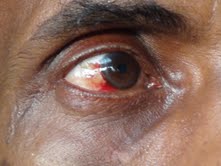 Later in the morning on 31 Sisil was asked to sign a document but he refused. He further explained that he cannot read without his spectacles. The officers told him that if he signed and pleaded guilty at court he could go home and get treatment. He then signed the document and was brought to the Wattala Magistrate’s Court. The police officers who tortured him were present in the court and they stood close to Sisil while he was produced before the Magistrate. Sisil did as he was instructed and pleaded guilty. He later learned that he had been charged with indecent behaviour due to being inebriated. He was then fined Rs. 1,500/=. Sisil vehemently denies the accusation and states that as he was in severe pain and in fear of further torture by the perpetrators who never once left his side. He therefore states that he had no option but to plead guilty to the charge.
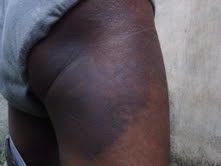 Sisil went home and received treatment from a doctor. Though the doctor provided medicine by 2 January, 2012 Sisil’s condition worsened. He was admitted to the Chilaw Base Hospital for treatment by his family members. While he was treated at the hospital the doctors revealed to him that there is a fracture in his hand. The Judicial Medical Officer (JMO) examined him and recorded his situation. The officers attached to the Police Post of the Hospital also recorded his statement. On 4 January he was discharged but he was asked to return to the clinic for further treatment.
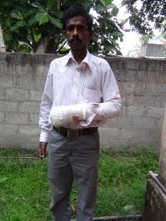 Sisil states that he was illegally arrested, detained, severely tortured and maliciously prosecuted. He states that his fundamental rights were violated by the police officers attached to the Wattala Police Station.
After he was discharge from the hospital Sisil complained to the Human Rights Commission, Inspector General of Police, Attorney General, the Director of Special Investigation Unit (SIU) of the Criminal Investigation Department (CID) of Police, Senior Superintendent of Police of the Western Province (North) and the Officer-in-Charge (OIC) of the Wattala Police Station. To-date none of these authorities have responded to him nor investigated his complaint.
ADDITIONAL COMMENTS:
The Asian Human Rights Commission has reported innumerable cases of torturing innocent by the Sri Lankan police which are illegal under international and local law which have taken place at different Police Station in the country over the past few years.
The State of Sri Lanka sign and ratified the CAT on 3 January 1994. Following state obligations Sri Lanka adopted Act number 22 of 1994 the law adopted by the Sri Lankan parliament making torture a crime that can be punishable for minimum seven years and not less than ten years on being proven guilty. The Attorney General of Sri Lanka is suppose to file indictments in the case where credible evidence were found on torturing people by state officers.
SUGGESTED ACTION:
Please send a letter to the authorities listed below expressing your concern about this case and requesting an immediate investigation into the allegations of illegal arrest, illegal detention, torturing by the police perpetrators, and the prosecution of those proven to be responsible under the criminal law of the country for misusing powers of a state. The officers involved must also be subjected to internal investigations for the breach of the department orders as issued by the police department. Further, please also request the NPC and the IGP to have a special investigation into the malpractices of the police officers for abusing the state officers’ powers.
Please note that the AHRC has also written a separate letter to the Special Rapporteur on torture and other cruel, inhuman or degrading treatment or punishment on this regard.
To support this appeal please click here:
To support this case, please click here: SEND APPEAL LETTER
SAMPLE LETTER
Dear ________,
SRI LANKA: An innocent man is illegally arrested, tortured and laid with a false charge by the Wattala Police
Name of the victim: Mr. Narahenpita Gamage Sisil Weerasinghe(48) is resides at No: 212/1, Woodland Estate, Colombo Road, Chilaw
Alleged perpetrators:
1. Police officer Mr. Mahinda attached to the Police Station of Wattala
2. Two other police officers attached to the Police Station of Wattala
Date of incident: 30 December 2011
Place of incident: Wattala Police Station
I am writing to express my serious concern over the case of Mr. Narahenpita Gamage Sisil Weerasinghe (48). Sisil is married, the father of two daughters and a retired soldier. Sisil, who resides at No: 212/1, Woodland Estate, Colombo Road, Chilaw is disabled as the result of injuries to the right leg and hand in a battle during July 1992. Following his partial recovery Sisil was removed from operational duties and given light duties. He retired from the service in 2007 and later worked as a private security guard attached to the Peoples Bank.
On 30 December 2011, he was working at the People’s Bank branch at the Headquarters of Island Revenue Department at Fort, Colombo. On this particular day after completing his work he was on his way home by bus. Then as he felt a stomachache he informed the conductor and asked him to stop the bus. He alighted from the bus and went to a nearby for toilet after which he waited for another bus to continue to his home.
While he was waiting a red colour three-wheeler came and stopped in front of him. Then the persons who were in police uniforms asked him what he was waiting at the roadside for at that time (by this time it was close to 10 pm). Then Sisil explained what had happened to him and told the officers that he is waiting for a bus. The police officers accused him of planning to commit to a house breaking. Sisil explained to them that he was a former soldier of the Sri Lanka Army, that he was disabled and presently working at the Peoples Bank Security Section at the Island Revenue Department Branch. However, the officers did not accept his explanation, accused him of arguing with them and started to beat him with fists and boots. The officers then dragged him into the three-wheeler and brought him to the Wattala Police Station.
At the police station again three police officers including a police officer who was later identified as Mr. Mahinda started to beat him with a cricket bat. Another officer beat him with a plastic pipe that had been filled with sand. Sisil was assaulted all over his body and pleaded with the officers not to beat him. He repeatedly explained that he was a disable soldier but the officers did not listen. Even after Sisil fell to the ground the officers continued to beat Sisil mercilessly. Later they locked him in a cell.
As Sisil was suffering immense pain he pleaded with the officers to provide medicine. They then took him out from the cell and brought him before a doctor. Before he was brought into the doctor two officers held his arms while another officer forcefully poured liquor into his mouth. Sisil tried to resist but the officers forced him. Then he was brought before the doctor. Then Sisil explained to the doctor in the presence of the perpetrators how he was tortured in police custody. He further told the doctor that due to the assault one of his hands was fractured and that he was experiencing enormous pain. However, to his amazement the doctor ignore him and did not provide any treatment or medicine.
Later Sisil was returned to the police station and put back in the cell. When he started to screaming with pain one of the officers gave him two tablets but he did not know what it was.
Later in the morning on 31 Sisil was asked to sign a document but he refused. He further explained that he cannot read without his spectacles. The officers told him that if he signed and pleaded guilty at court he could go home and get treatment. He then signed the document and was brought to the Wattala Magistrate’s Court. The police officers who tortured him were present in the court and they stood close to Sisil while he was produced before the Magistrate. Sisil did as he was instructed and pleaded guilty. He later learned that he had been charged with indecent behaviour due to being inebriated. He was then fined Rs. 1,500/=. Sisil vehemently denies the accusation and states that as he was in severe pain and in fear of further torture by the perpetrators who never once left his side. He therefore states that he had no option but to plead guilty to the charge.
Sisil went home and received treatment from a doctor. Though the doctor provided medicine by 2 January, 2012 Sisil’s condition worsened. He was admitted to the Chilaw Base Hospital for treatment by his family members. While he was treated at the hospital the doctors revealed to him that there is a fracture in his hand. The Judicial Medical Officer (JMO) examined him and recorded his situation. The officers attached to the Police Post of the Hospital also recorded his statement. On 4 January he was discharged but he was asked to return to the clinic for further treatment.
Sisil states that he was illegally arrested, detained, severely tortured and maliciously prosecuted. He states that his fundamental rights were violated by the police officers attached to the Wattala Police Station.
After he was discharge from the hospital Sisil complained to the Human Rights Commission, Inspector General of Police, Attorney General, the Director of Special Investigation Unit (SIU) of the Criminal Investigation Department (CID) of Police, Senior Superintendent of Police of the Western Province (North) and the Officer-in-Charge (OIC) of the Wattala Police Station. To-date none of these authorities have responded to him nor investigated his complaint.
I request your urgent intervention to ensure that the authorities listed below instigate an immediate investigation into the allegations of illegal arrest, illegal detention, torture by the police perpetrators, and the prosecution of those proven to be responsible under the criminal law of the country for misusing powers of state officers and for wrongful prosecution. The officers involved must also be subjected to internal investigations for the breach of the department orders as issued by the police department.
Yours sincerely,
———————
PLEASE SEND YOUR LETTERS TO:
1. Mr. N K Illangakoon
Inspector General of Police
New Secretariat
Colombo 1
SRI LANKA
Fax: +94 11 2 440440 / 327877
E-mail: igp@police.lk
2. Ms. Eva Wanasundara
Attorney General
Attorney General’s Department
Colombo 12
SRI LANKA
Fax: +94 11 2 436421
E-mail: ag@attorneygeneral.gov.lk
3. The Secretary
National Police Commission
3rd Floor, Rotunda Towers
109 Galle Road
Colombo 03
SRI LANKA
Tel: +94 11 2 395310
Fax: +94 11 2 395867
E-mail: npcgen@sltnet.lk or polcom@sltnet.lk
4. The Secretary
Sri Lanka Human Rights Commission
No. 108
Barnes Place
Colombo 07
SRI LANKA
Tel: +9411 2694925, +9411 2685980, +9411 2685981
Fax: +9411 2694924 (General) +94112696470 (Chairman)
E-mail: sechrc@sltnet.lk
Thank you.
Urgent Appeals Programme
Asian Human Rights Commission (ua@ahrc.asia)
