
Dear friends,
The Asian Human Rights Commission (AHRC) has received updated information that Mr. Pattani Razeek a well known human rights defender both locally and internationally has been missing since 11 February 2010. The relatives have made complaints to all the relevant authorities including the United Nations. They have provided enough credible evidence to identify the perpetrators of the disappearance but the police have failed to arrest the suspect. The case in the Magistrate’s Court of Puttalam is pending without any development due to the defects in the police investigations. The AHRC has called upon the Sri Lankan government to ensure a prompt, impartial and efficient police investigation into the case and bring the perpetrators before justice. The AHRC further urges the State of Sri Lanka to ensure efficient judicial action into the case. (Please see our original forwarded appeal for further information: AHRC- FUA-002-2010).
UPDATED INFORMATION:
Mr. Pattani Razeek of No. 70, Sameeragama, Kottantivu, Puttalam, Sri Lanka was a well known human rights defender in Sri Lanka and Asia. At the time of his disappearance, Mr. Razeek was the Managing Trustee of the Community Trust Fund (CTF) and was an Executive Committee Member of the Asian Forum for Human Rights and Development (FORUM-ASIA).
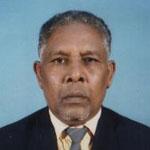
Mr. Razeek has been missing since he was apparently abducted on 11 February 2010 in the town of Polonnaruwa, North Central Province in Sri Lanka. He may have been the victim of an enforced disappearance. The state authorities have not shown any interest in either investigating or arresting the main suspect in the case despite credible evidence being provided by the relatives. It is believed that this failure is due to the influence of powerful politician in the area.
Mr. Razeek was last seen near the Jumma Mosque in Kaduruwela, Polonnaruwa (a town in the North‐Central Province of Sri Lanka) at around 3.30 p.m on 11 February 2010. Mr. Razeek was in a van together with other staff of CTF, when their van was intercepted by a white van. Mr. Razeek alighted from their vehicle, approached the men in the white van and exchanged greetings in Arabic with them, indicating that the men are Muslim. After talking to them for some minutes, Mr. Razeek went back to his colleagues and told them that he will be joining the group in the white van which according to him was heading to the Eastern provincial town of Valaichchenai. He has not been seen or heard from since.
Mr. Razeek’s family lodged complaints with the Police in Pollonnaruwa (place of incident), and Mundalama (place of residence) Mr. Razeek’s employer. The CTF lodged complaints with the police in Puttalam (place of employer, CTF) and Pollonnaruwa. A complaint has also been lodged with the Human Rights Commission of Sri Lanka. Appeals have been made to the President of Sri Lanka, Secretary to Ministry of Defense, the Attorney General and Inspector General of Police, none of which have been acted upon. The relatives and general public in the district of Puttalam arranged protests, and poster campaigns.
Complaints have been sent to UN Special Rapporteur on Human Rights Defenders and UN Working Group on Enforced and Involuntary Disappearances. Further, appeals have been issued by many international human rights organizations seeking prompt and impartial investigations into the case.
Following the complaint and continuous requests by the relatives of Razeek, the police have filed a case in the Magistrate’s Courts in Puttalam. Though the case has been called on several occasions the police have failed to arrest any suspect and produce him before the court.
Relatives stated that the coordinator of the Minister Hon. Rishad Bathirudeen, Mr. S. R. M. Irashad made a public statement, following Mr. Razeek’s disappearance, claiming that Mr. Razeek was an intermediary to the transfer of funds from CIA to the LTTE at sometime in the past and that Mr. Razeek was being detained in the custody of the Defense Secretary.
The Police B report indicates that Mr. Shabdeen Nowshadh, a former employee of CTF and a close associate of a powerful minister of the area, is a key suspect in the disappearance. Police have evidence that Nowshadh made a call from Mr. Razeek’s mobile phone number to his residence shortly after the disappearance of Mr. Razeek.
Nowshadh had made an application for ‘Anticipatory Bail’ which was rejected on 23rd June 2010 and he applied for a revision in the High Court Puttalam. Another hearing date of the revision held on 10 February. Further while in police interrogations Mr. Nowsaadh confirmed that he had met Mr. Razeek on the day and in the area in which Mr. Razeek was last seen.
The relatives states that though there is enough credible evidence regarding the case of disappearance of Mr. Razeek the authorities are not taking action to question or arrest Mr. Nowsadh due to his political connections. Even before the judge of the High Court Mr. Nawsadh boasted that he is a close acquaintance of “a powerful minister” who needed him for election and other work. Nowsadh had been seen in public places several times since this was disclosed in mid 2010.
This is an appalling situation that calls into question the lackadaisical attitude of the Sri Lankan government towards the disappearances of anyone suspected of being an embarrassment to the regime in power. In the recent past there have been hundreds of cases of enforced disappearance which were reported Island wide. The relatives of the victims are urging the government of Sri Lanka and the United Nations to intervene and instigate prompt, efficient, impartial and transparent investigations into these cases. Further they have asked that the perpetrators are brought before the court and tried under the rule of law system.
The government is culpable in that it is not investigating this case of an enforced disappearance despite sufficient evidence being provided. It is therefore evident that the state of Sri Lanka must bear responsibility for the continued disappearances which are a result of their policies and procedures. This is a typical scenario in Sri Lanka that If the perpetrators are aware that no investigations will be conducted they will not hesitate to continue their illegal actions.
All these cases have threatened the lives of the citizen of a country in which the state does not ensure that the practice of enforced disappearance is halted. Further as we have observed that many reported case of torture and ill-treatment, either at the hands of the police or other government forces frequently end with the practice of enforced disappearance to ensure that no evidence is found.
For further details please refer to the earlier Forwarded Urgent Appeal: Forwarded Urgent Appeal: AHRC- FUA-002-2010
SRI LANKA: Disappearance of Mr. Pattani Razeek, Executive Committee Member of FORUM-ASIA.
SUGGESTED ACTION:
The Asian Human Rights Commission urges you to insist the Inspector General of Police of Sri Lanka to take all necessary and appropriate measures to investigated the case of disappearance of Mr. Razeek and arrested the perpetrators must be brought to book to stop recurrence of similar incidents.
Please note that the AHRC has written special letters to the UN Special Rapporture on Human Rights Defenders seeking his intervention on this regard.
To support this case, please click here: SEND APPEAL LETTER
SAMPLE LETTER
Dear ________,
SRI LANKA: Disappearance of FORUM-ASIA Executive Committee Member Pattani Razeek – prime suspect has not been arrested
Name of the Victim:Mr. Pattani Razeek of No. 70, Sameeragama, Kottantivu, Puttalam, Sri Lanka
Alleged Perpetrators:Mr. Shabdeen Nowshadh
Date of latest incident:11 February, 2010
Place of incident:Polonnaruwa North Central Province
I would like to raise my serious concerns on the further information that I have received in the case of Mr. Pattani Razeek of No. 70, Sameeragama, Kottantivu, Puttalam. Mr. Razeek was a well known human rights defender in Sri Lanka and Asia. At the time of his disappearance, he was the Managing Trustee of the Community Trust Fund (CTF) and was an Executive Committee Member of the Asian Forum for Human Rights and Development (FORUM-ASIA).
Mr. Razeek has been missing since he was apparently abducted on 11 February 2010 in the town of Polonnaruwa, North Central Province in Sri Lanka. He may have been the victim of an enforced disappearance. The state authorities have not shown any interest in either investigating or arresting the main suspect in the case despite credible evidence being provided by the relatives. It is believed that this failure is due to the influence of powerful politician in the area.
Mr. Razeek was last seen near the Jumma Mosque in Kaduruwela, Polonnaruwa (a town in the North‐Central Province of Sri Lanka) at around 3.30 p.m on 11 February 2010. Mr. Razeek was in a van together with other staff of CTF, when their van was intercepted by a white van. Mr. Razeek alighted from their vehicle, approached the men in the white van and exchanged greetings in Arabic with them, indicating that the men are Muslim. After talking to them for some minutes, Mr. Razeek went back to his colleagues and told them that he will be joining the group in the white van which according to him was heading to the Eastern provincial town of Valaichchenai. He has not been seen or heard from since.
Mr. Razeek’s family lodged complaints with the Police in Pollonnaruwa (place of incident), and Mundalama (place of residence) Mr. Razeek’s employer. The CTF lodged complaints with the police in Puttalam (place of employer, CTF) and Pollonnaruwa. A complaint has also been lodged with the Human Rights Commission of Sri Lanka. Appeals have been made to the President of Sri Lanka, Secretary to Ministry of Defense, the Attorney General and Inspector General of Police, none of which have been acted upon. The relatives and general public in the district of Puttalam arranged protests, and poster campaigns.
Complaints have been sent to UN Special Rapporteur on Human Rights Defenders and UN Working Group on Enforced and Involuntary Disappearances. Further, appeals have been issued by many international human rights organizations seeking prompt and impartial investigations into the case.
Following the complaint and continuous requests by the relatives of Razeek, the police have filed a case in the Magistrate’s Courts in Puttalam. Though the case has been called on several occasions the police have failed to arrest any suspect and produce him before the court.
Relatives stated that the coordinator of the Minister Hon. Rishad Bathirudeen, Mr. S. R. M. Irashad made a public statement, following Mr. Razeek’s disappearance, claiming that Mr. Razeek was an intermediary to the transfer of funds from CIA to the LTTE at sometime in the past and that Mr. Razeek was being detained in the custody of the Defense Secretary.
The Police B report indicates that Mr. Shabdeen Nowshadh, a former employee of CTF and a close associate of a powerful minister of the area, is a key suspect in the disappearance. Police have evidence that Nowshadh made a call from Mr. Razeek’s mobile phone number to his residence shortly after the disappearance of Mr. Razeek.
Nowshadh had made an application for ‘Anticipatory Bail’ which was rejected on 23rd June 2010 and he applied for a revision in the High Court Puttalam. Another hearing date of the revision held on 10 February. Further while in police interrogations Mr. Nowsaadh confirmed that he had met Mr. Razeek on the day and in the area in which Mr. Razeek was last seen.
The relatives states that though there is enough credible evidence regarding the case of disappearance of Mr. Razeek the authorities are not taking action to question or arrest Mr. Nowsadh due to his political connections. Even before the judge of the High Court Mr. Nawsadh boasted that he is a close acquaintance of “a powerful minister” who needed him for election and other work. Nowsadh had been seen in public places several times since this was disclosed in mid 2010.
This is an appalling situation that calls into question the lackadaisical attitude of the Sri Lankan government towards the disappearances of anyone suspected of being an embarrassment to the regime in power. In the recent past there have been hundreds of cases of enforced disappearance which were reported Island wide. The relatives of the victims are urging the government of Sri Lanka and the United Nations to intervene and instigate prompt, efficient, impartial and transparent investigations into these cases. Further they have asked that the perpetrators are brought before the court and tried under the rule of law system.
The government is culpable in that it is not investigating this case of an enforced disappearance despite sufficient evidence being provided. It is therefore evident that the state of Sri Lanka must bear responsibility for the continued disappearances which are a result of their policies and procedures. This is a typical scenario in Sri Lanka that If the perpetrators are aware that no investigations will be conducted they will not hesitate to continue their illegal actions.
All these cases have threatened the lives of the citizen of a country in which the state does not ensure that the practice of enforced disappearance is halted. Further as we have observed that many reported case of torture and ill-treatment, either at the hands of the police or other government forces frequently end with the practice of enforced disappearance to ensure that no evidence is found.
I request your urgent intervention to ensure that the authorities listed below instigate an immediate investigation into the case of Mr. Pattani Razeek. The officers involved must also be subjected to internal investigations for the breach of the department orders as issued by the police department.
Yours sincerely,
———————
PLEASE SEND YOUR LETTERS TO
1. Mr. Mahinda Balasuriya
Inspector General of Police
New Secretariat
Colombo 1
SRI LANKA
Fax: +94 11 2 440440 / 327877
E-mail: igp@police.lk
2. Mr. Mohan Peiris
Attorney General
Attorney General’s Department
Colombo 12
SRI LANKA
Fax: +94 11 2 436421
E-mail: ag@attorneygeneral.gov.lk
3. Secretary
National Police Commission
3rd Floor, Rotunda Towers
109 Galle Road
Colombo 03
SRI LANKA
Tel: +94 11 2 395310
Fax: +94 11 2 395867
E-mail: npcgen@sltnet.lk or polcom@sltnet.lk
4. Secretary
Human Rights Commission
No. 36, Kynsey Road
Colombo 8
SRI LANKA
Tel: +94 11 2 694 925 / 673 806
Fax: +94 11 2 694 924 / 696 470
E-mail: sechrc@sltnet.lk
Thank you.
Urgent Appeals Programme
Asian Human Rights Commission (ua@ahrc.asia)
