
Dear friends,
The Asian Human Rights Commission (AHRC) has received information that Mr. K. A. Somarathna, a businessman, filed a complaint with the Senior Superintendent of Police, (SSP) when a water pump and other goods were stolen from his business construction site by a number of police officers attached to the Mundalama Police Station. Two days after he filed the complaint, he was called to the Mundalama Police Station. When he went to the station, he was taken to the back of the building and beaten severely by the OIC and another officer, Priyantha. Mr. Somarathna fell unconscious as the result of this beating and when he awoke, he found himself in a jail cell. His family was not permitted to visit him and the officers threatened the family with Mr. Somarathna’s abduction if they chose to pursue the complaint with the SSP. He was produced before the Additional Magistrate of Puttalam on a false criminal charge, and despite voicing his complaint of torture to the Magistrate, he was sent to remand prison. Mr. Somarathna has checked himself in to numerous hospitals for treatment, but he remains in great pain and is unable to take care of himself without assistance. Although he has filed a complaint with the Human Rights Commission of Sri Lanka and the SSP, a credible investigation has yet to be initiated. This case is yet another illustration of the exceptional collapse of the rule of law in the country.
CASE NARRATIVE:
According to information that the Asian Human Rights Commission (AHRC) has received, Mr. K.A. Somarathna (48), of Madurankuliya, Aamakuliya in the Puttalam District was severely tortured by two police officers and was placed in jail for a crime that he did not commit.
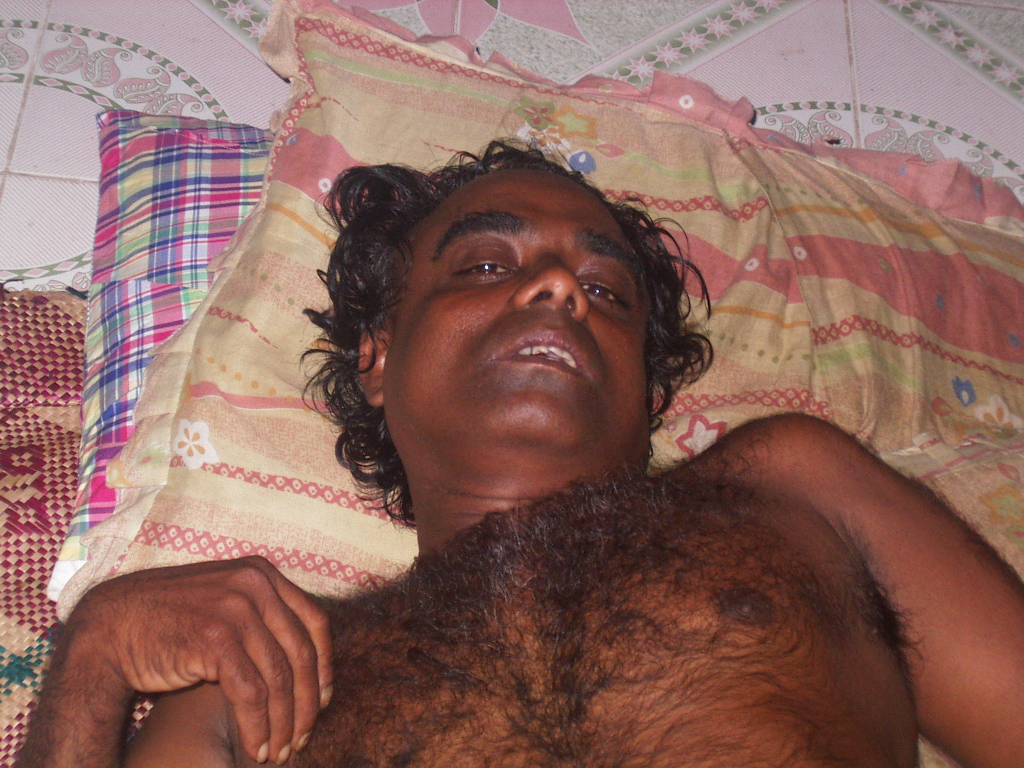 Mr. Somarathna is married and a businessman by profession. On 22 January 2012, a few policemen and civilians traveling by lorry took a water pump and several other goods that Mr. Somarathna had kept at his new business construction site in Sembatta, Mundalama. Since Mr. Somarathna was out of town when the theft took place, he was unable to file a complaint with the Senior Superintendent of Police (SSP) Puttalam against the police officers who had stolen his goods until 25 January.
On 27 January, a police officer named Priyantha of the Traffic Branch of Mundalama Police Station took Mr. Somarathna to Muddalama Police Station, reportedly to record a statement based on the complaint he had made at the SSP’s office. When Mr. Somarathna entered Mundalama Police Station, Officer Priyantha took his wallet from him. He took him to the back of the police station building, where the Officer-in-Charge (OIC) was waiting. Without asking him any questions, the OIC pulled his hair and kicked him in the stomach. He was beaten severely, and his head was dashed against the station wall. Even after Mr. Somarathna fell to the floor, the abuse continued.
Mr. Somarathna fell unconscious as the result of this beating. When he regained consciousness, he found himself inside a jail cell. Despite his cries for help, he was not given food, water or medical treatment for his extensive injuries. When his relatives tried to visit, police officers refused to allow them to meet with him. His family members reported that they could see Mr. Somarathna inside the jail cell; they said that he was lying down and appeared unable to stand.
According to information that we have received, the OIC threatened Mr. Somarathna and his family; they said that if they persisted with their complaint to the SSP, Mr. Somarathna would be abducted in a white van and forcefully disappeared. At around 10am the next day, Mr. Somarathna was taken to Mundalama Government Hospital in a police jeep. He was unable to walk as the result of his extensive injuries. Since he was unable to go inside the hospital, a doctor issued a medical report without examining Mr. Somarathna.
A few days later, the police produced Mr. Somarathna before the Additional Magistrate of Puttalam on the charge that he illegally acquired water for personal use from the public water supply. Mr. Somarathna vehemently denied this accusation. When he was standing before the Magistrate, Mr. Somarathna explained that he had been subjected to physical abuse by the police. Despite this, the Magistrate sent Mr. Somarathna to remand prison for 14 days. Mr. Somarathna told the prison guards at the remand prison that he had been beaten and was in great physical pain. His injuries were examined, and the prison guards admitted him to the prison hospital. While he received treatment at the prison hospital, Mr. Somarathna bled while urinating. After completing his 14-day sentence, Mr. Somarathna was held in remand for another 7 days, and finally released on bail.
On 16 February, Mr. Somarathna was admitted to Puttalam Base Hospital for further treatment. Despite his deteriorating condition and the fact that he had not given consent, he was discharged on 18 February. Mr. Somarathna believes that he was discharged by the hospital authorities under the instruction of the police officers. Since he was still experiencing pain, he checked himself in to Ragama Teaching Hospital and underwent treatment. He is still experiencing pain from his extensive injuries, and is unable to take care of himself without assistance. Mr. Somarathna’s family maintain that since Mr. Somarathna was in good health before these incidents, his deplorable health is the direct result of the abuse he experienced at the hands of the police.
Mr. Somarathna filed a complaint with the Human Rights Commission of Sri Lanka (HRCSL). However, neither the SSP nor the HRC have initiated a credible investigation into the violation of his rights. Mr. Somarathna believes that his rights enshrined in the Constitution of Sri Lanka have been violated and he seeks an impartial investigation to bring the perpetrators of this crime to justice.
ADDITIONAL COMMENTS:
The Asian Human Rights Commission has reported innumerable cases of the torture of innocent people by the Sri Lankan police. These acts, which have taken place at different police stations across the country, are illegal under local and international law.
The State of Sri Lanka signed and ratified the CAT on 3 January 1994. Following state obligations, the Parliament of Sri Lanka adopted Act No. 22 of 1994, which made torture a crime that is punishable for a minimum seven years and not less than ten years on being proven guilty. The Attorney General of Sri Lanka is supposed to file indictments in cases where credible evidence is found of people being tortured by state officers.
SUGGESTED ACTION:
Please send a letter to the authorities listed below expressing your concern about this case and requesting an immediate investigation into the allegations of torturing an old person and stealing the money by the police perpetrators, and the prosecution of those proven to be responsible under the criminal law of the country for misusing powers of a state. The officers involved must also be subjected to internal investigations for the breach of the department orders as issued by the police department. Further, please also request the NPC and the IGP to have a special investigation into the malpractices of the police officers for abusing the state officers’ powers.
Please note that the AHRC has also written a separate letter to the Special Rapporteur on torture and other cruel, inhuman or degrading treatment or punishment on this regard.
To support this appeal please click here:
To support this case, please click here: SEND APPEAL LETTER
SAMPLE LETTER
Dear ________,
SRI LANKA: Mundalama Police enjoy impunity despite torturing and detaining a businessman in fabricated charges
Name of the victim: K.A. Somarathna (48), of Madurankuliya, Aamakuliya in the Puttalam District
Alleged perpetrator:
1. OIC Alawaththe
2. Police officer Priyantha of Traffic Branch, both attached to the Mundalama Police Station
Date of incident: 27 January 2012
Place of incident: Mundalama Police Division in the Puttalam District
I am writing to express my serious concern over the case of Mr. K.A. Somarathna (48), of Madurankuliya, Aamakuliya in the Puttalam District who was severely tortured by two police officers and was placed in jail for a crime that he did not commit.
Mr. Somarathna is married and a businessman by profession. On 22 January 2012, a few policemen and civilians traveling by lorry took a water pump and several other goods that Mr. Somarathna had kept at his new business construction site in Sembatta, Mundalama. Since Mr. Somarathna was out of town when the theft took place, he was unable to file a complaint with the Senior Superintendent of Police (SSP) Puttalam against the police officers who had stolen his goods until 25 January.
On 27 January, a police officer named Priyantha of the Traffic Branch of Mundalama Police Station took Mr. Somarathna to Muddalama Police Station, reportedly to record a statement based on the complaint he had made at the SSP's office. When Mr. Somarathna entered Mundalama Police Station, Officer Priyantha took his wallet from him. He took him to the back of the police station building, where the Officer-in-Charge (OIC) was waiting. Without asking him any questions, the OIC pulled his hair and kicked him in the stomach. He was beaten severely, and his head was dashed against the station wall. Even after Mr. Somarathna fell to the floor, the abuse continued.
Mr. Somarathna fell unconscious as the result of this beating. When he regained consciousness, he found himself inside a jail cell. Despite his cries for help, he was not given food, water or medical treatment for his extensive injuries. When his relatives tried to visit, police officers refused to allow them to meet with him. His family members reported that they could see Mr. Somarathna inside the jail cell; they said that he was lying down and appeared unable to stand.
According to information that we have received, the OIC threatened Mr. Somarathna and his family; they said that if they persisted with their complaint to the SSP, Mr. Somarathna would be abducted in a white van and forcefully disappeared. At around 10am the next day, Mr. Somarathna was taken to Mundalama Government Hospital in a police jeep. He was unable to walk as the result of his extensive injuries. Since he was unable to go inside the hospital, a doctor issued a medical report without examining Mr. Somarathna.
A few days later, the police produced Mr. Somarathna before the Additional Magistrate of Puttalam on the charge that he illegally acquired water for personal use from the public water supply. Mr. Somarathna vehemently denied this accusation. When he was standing before the Magistrate, Mr. Somarathna explained that he had been subjected to physical abuse by the police. Despite this, the Magistrate sent Mr. Somarathna to remand prison for 14 days. Mr. Somarathna told the prison guards at the remand prison that he had been beaten and was in great physical pain. His injuries were examined, and the prison guards admitted him to the prison hospital. While he received treatment at the prison hospital, Mr. Somarathna bled while urinating. After completing his 14-day sentence, Mr. Somarathna was held in remand for another 7 days, and finally released on bail.
On 16 February, Mr. Somarathna was admitted to Puttalam Base Hospital for further treatment. Despite his deteriorating condition and the fact that he had not given consent, he was discharged on 18 February. Mr. Somarathna believes that he was discharged by the hospital authorities under the instruction of the police officers. Since he was still experiencing pain, he checked himself in to Ragama Teaching Hospital and underwent treatment. He is still experiencing pain from his extensive injuries, and is unable to take care of himself without assistance. Mr. Somarathna’s family maintain that since Mr. Somarathna was in good health before these incidents, his deplorable health is the direct result of the abuse he experienced at the hands of the police.
Mr. Somarathna filed a complaint with the Human Rights Commission of Sri Lanka (HRCSL). However, neither the SSP nor the HRC have initiated a credible investigation into the violation of his rights. Mr. Somarathna believes that his rights enshrined in the Constitution of Sri Lanka have been violated and he seeks an impartial investigation to bring the perpetrators of this crime to justice.
I further request your urgent intervention to ensure that the authorities listed below instigate an immediate investigation into torturing a old person and stealing the money by the police perpetrators, and the prosecution of those proven to be responsible under the criminal law of the country. The officers involved must also be subjected to internal investigations for the breach of the department orders as issued by the police department.
Yours sincerely,
---------------------
PLEASE SEND YOUR LETTERS TO:
1. Mr. N K Illangakoon
Inspector General of Police
New Secretariat
Colombo 1
SRI LANKA
Fax: +94 11 2 440440 / 327877
E-mail: igp@police.lk
2. Ms. Eva Wanasundara
Attorney General
Attorney General's Department
Colombo 12
SRI LANKA
Fax: +94 11 2 436421
E-mail: ag@attorneygeneral.gov.lk
3. Secretary
National Police Commission
3rd Floor, Rotunda Towers
109 Galle Road
Colombo 03
SRI LANKA
Tel: +94 11 2 395310
Fax: +94 11 2 395867
E-mail: npcgen@sltnet.lk or polcom@sltnet.lk
4. Secretary
Sri Lanka Human Rights Commission
No. 108
Barnes Place
Colombo 07
SRI LANKA
Tel: +9411 2694925, +9411 2685980, +9411 2685981
Fax: +9411 2694924 (General) +94112696470 (Chairman)
E-mail: sechrc@sltnet.lk
Thank you.
Urgent Appeals Programme
Asian Human Rights Commission (ua@ahrc.asia)
